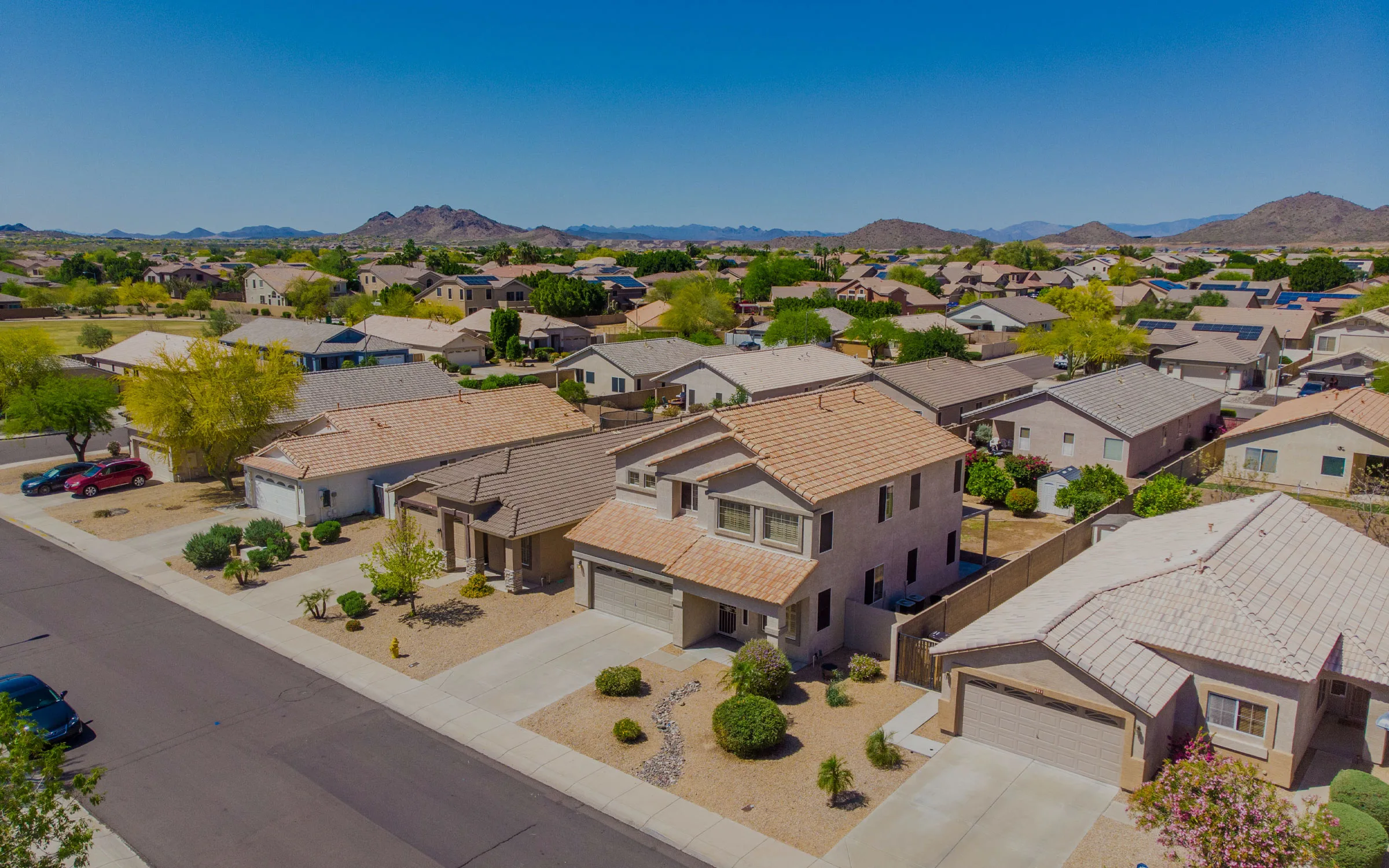
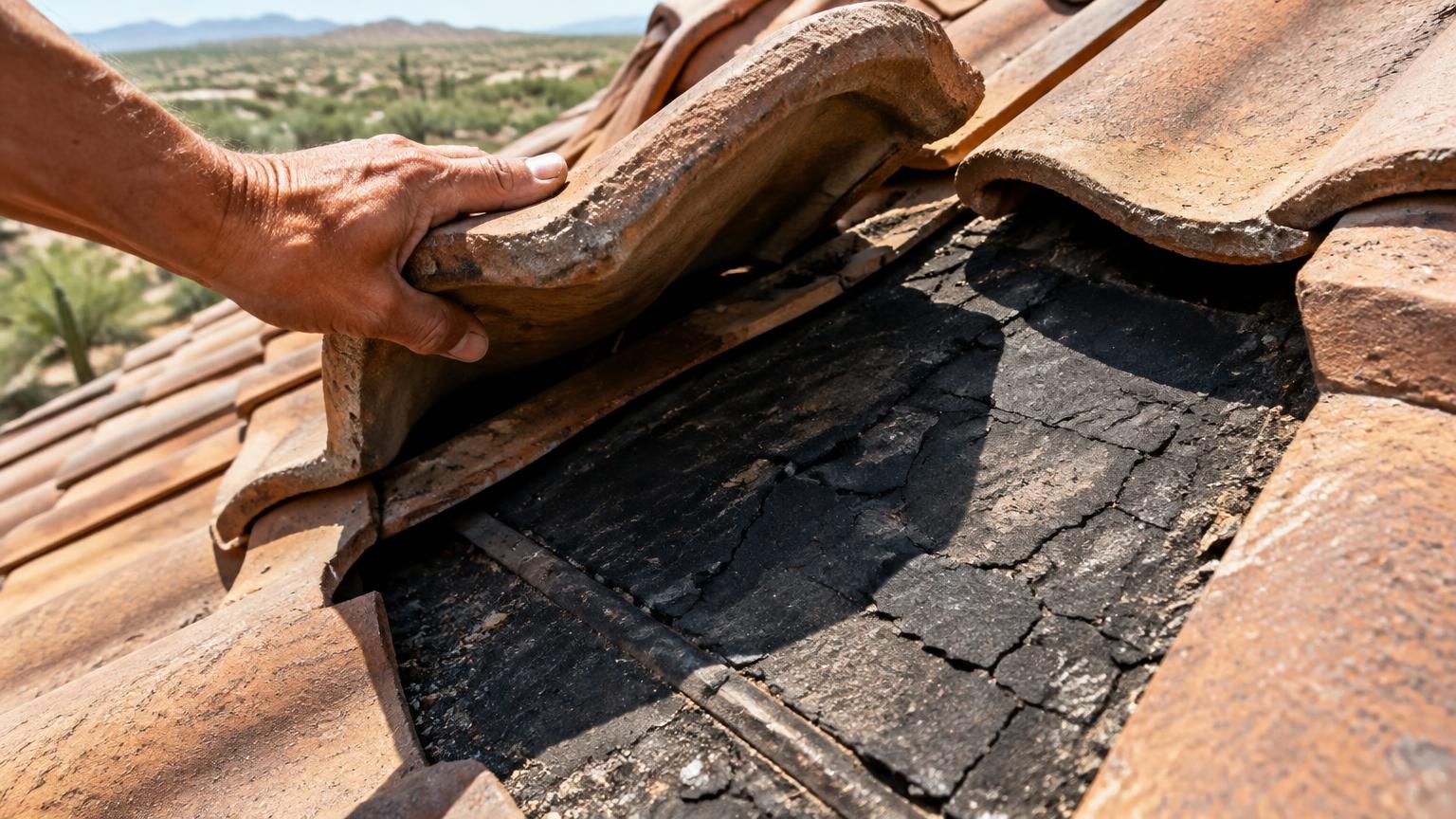

Every homeowner in Sun City assumes concrete roof tiles are what keeps the rain out. That assumption holds until a monsoon hits and water starts dripping from the hallway ceiling. The tiles are just a physical barrier against sun and hail, designed to shed the heaviest volume of water. The actual waterproofing is the thin layer of material stapled to the wood deck below. When that layer dries out, shrinks, and cracks, you experience roof underlayment failure in Arizona. A failing underlayment turns a solid roof into a massive liability during storm season.
This guide explains how extreme desert heat destroys roofing felt, the specific tile roof underlayment problems you will encounter, what a full replacement involves, typical costs for the West Valley, and why patching a thirty-year-old underlayment is a bad financial decision.
Why Roof Underlayment Failure In Arizona Happens Faster
The desert climate is exceptionally brutal on roofing materials. During a July afternoon, the ambient temperature hits 115 degrees. The concrete tiles resting on your roof absorb that direct sunlight and heat up to 150 degrees or more. That massive amount of heat transfers straight into the trapped air space above your underlayment.
Traditional asphalt-saturated felt bakes in this oven all day, every day. The petroleum oils that keep the felt pliable slowly evaporate. Over two decades, the material turns brittle. It loses its ability to expand and contract. When the temperature rapidly drops by forty degrees during a sudden summer thunderstorm, the stiff felt snaps and tears.
The average lifespan of a traditional felt underlayment in the West Valley is twenty to twenty-five years. Homes built in Sun City West, Surprise, and Peoria in the late 1990s and early 2000s are sitting on underlayment that has completely aged out.
Tile Roof Underlayment Problems: The Hidden Breakdown
Tile roofs deceive homeowners. From the street, the concrete or clay looks perfectly intact. Because the outer shell looks fine, people assume the whole system is healthy. Underneath, the felt is returning to dust.
When the underlayment fails, it usually happens in highly predictable patterns across the roof.
- Shrinkage at the eaves: The material shrinks as it dries out, pulling away from the metal drip edge. This leaves the wood fascia exposed to runoff, leading to dry rot and peeling paint around the perimeter of the house.
- Tearing around fasteners: Every nail and staple hole in the felt stretches as the material degrades. When water gets under a tile, it follows the nail shaft directly down into the attic plywood.
- Valley accumulation: Roof valleys carry the most water. Over time, blowing dust, palm debris, and dirt pack into these channels. When it rains, this sludge holds moisture against the brittle underlayment for days, rotting it out completely.
- Failing penetration seals: The underlayment must integrate with the metal flashing around plumbing vents, skylights, and exhaust fans. As the felt shrinks, it pulls away from the flashing mastic, opening a direct hole into the house.
Warning Signs That Your Underlayment Is Finished
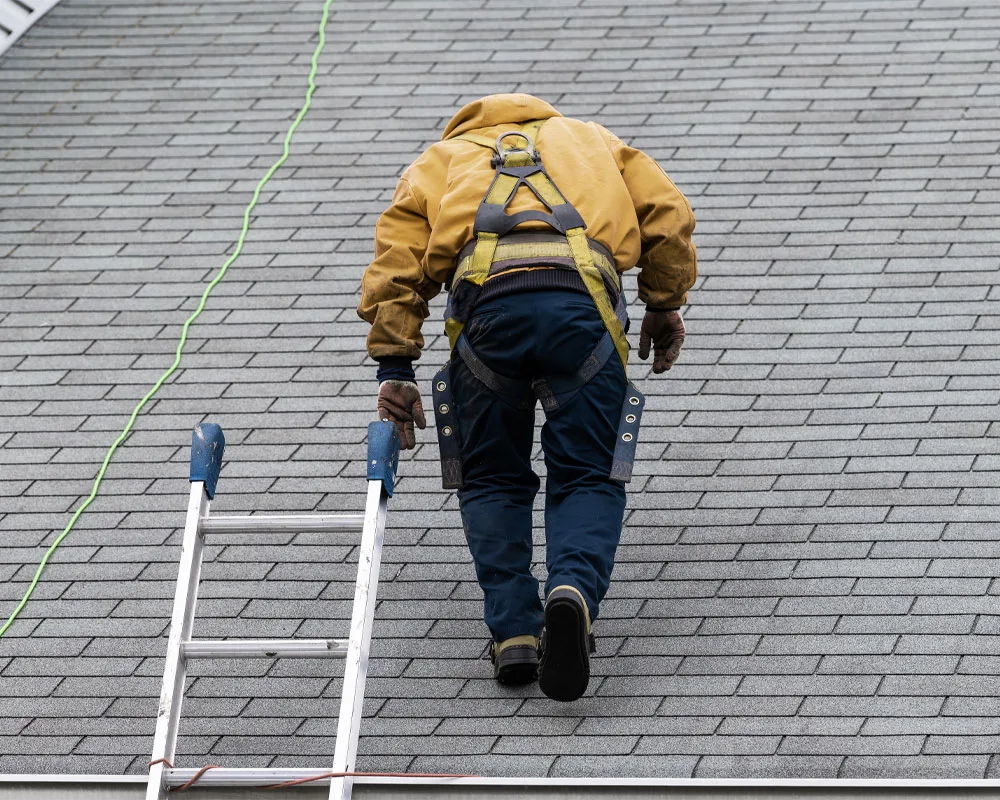
You do not need to climb onto a slippery tile roof to spot a failing underlayment. The signs are visible from the ground and inside your home if you know exactly where to look.
- Black stains on the eaves: Walk the perimeter of your house and look up at the wood overhangs. Dark water streaks on the wood fascia or the exterior stucco mean water is bypassing the underlayment and soaking the edges of the roof deck.
- Exposed bare wood: If a strong wind shifts a field tile out of place, look at the gap. You should see a solid black or gray membrane. If you see bare plywood or oriented strand board, the felt has disintegrated entirely.
- Interior ceiling spotting: A small, brown water ring on the drywall after a hard rain means the waterproofing has failed directly above that spot. Paint will not fix it. Water is actively moving through your attic.
- Sagging roof lines: Stand across the street and look at the geometric lines of your roof. If the plane of the roof looks wavy or sags between the trusses, the plywood underneath has likely taken on severe water damage and warped.
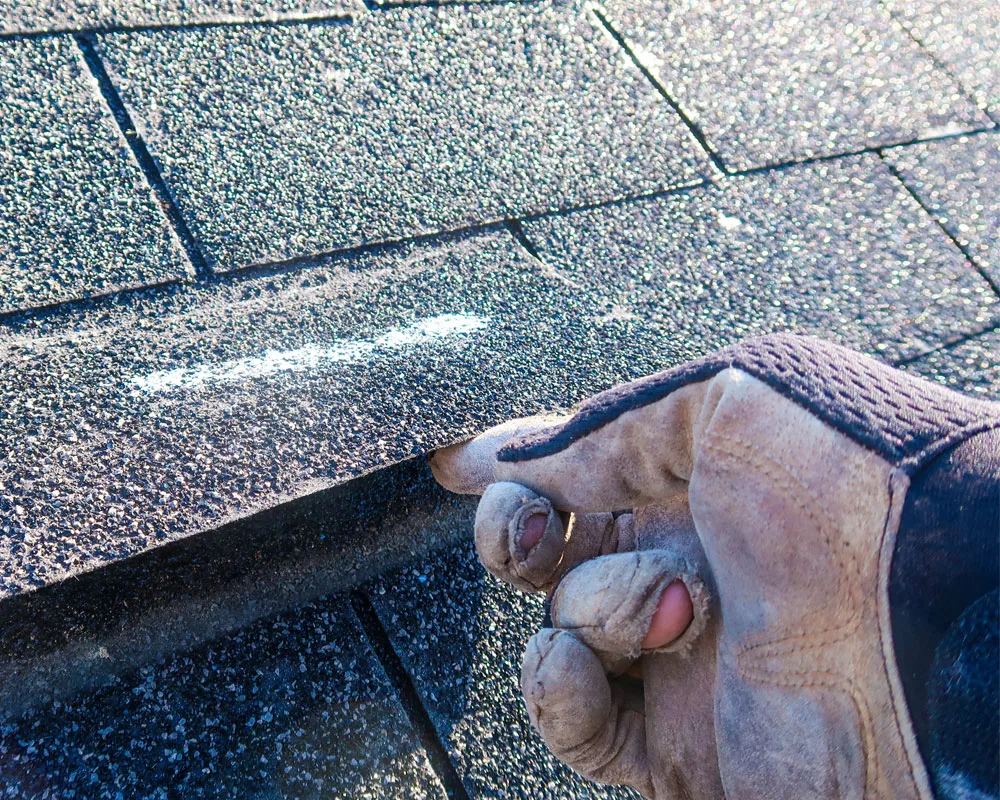
- Cracking felt in the valleys: If a roofer lifts a valley tile during an inspection and the paper underneath cracks like a dry leaf when touched, the system is dead.
The Danger Of Ignoring A Failing Roof System
Putting off a replacement after the underlayment begins to leak turns a standard roofing job into a major structural repair. Water that gets past the felt does not always drip onto your ceiling immediately. It travels.
First, it rots the plywood decking. Plywood acts like a sponge, holding the water and delaminating. Next, the moisture reaches the wooden trusses, encouraging dry rot. Damp wood in a dark, warm attic is an open invitation for subterranean termites to move upward into the roof structure. Finally, the water compresses your attic insulation, ruining its thermal resistance and driving up your air conditioning bills. Replacing sheets of rotted plywood adds thousands of dollars to a roofing bill that you could have avoided with faster action.
Roof Underlayment Replacement Sun City AZ: The Process
Fixing a dead underlayment requires a process called an R&R, which stands for Remove and Reinstall. We do not throw away your existing concrete tiles. We reuse them.
Here is exactly how a standard replacement works over a typical three to five-day timeline.
- Removing and stacking the tile: Crews pull the existing concrete tiles off the roof deck and stack them carefully in small piles across the structural load-bearing walls.
- Stripping the deck: We pull up every square inch of the old felt, wooden battens, and rusted nails. We sweep the bare plywood completely clean to reveal the true condition of the wood.
- Wood repair: The project manager inspects the bare decking. We cut out and replace any rotted plywood, damaged fascia boards, splintered battens, or soft spots with fresh lumber. Proper structural integrity must be restored before the new barrier goes down.
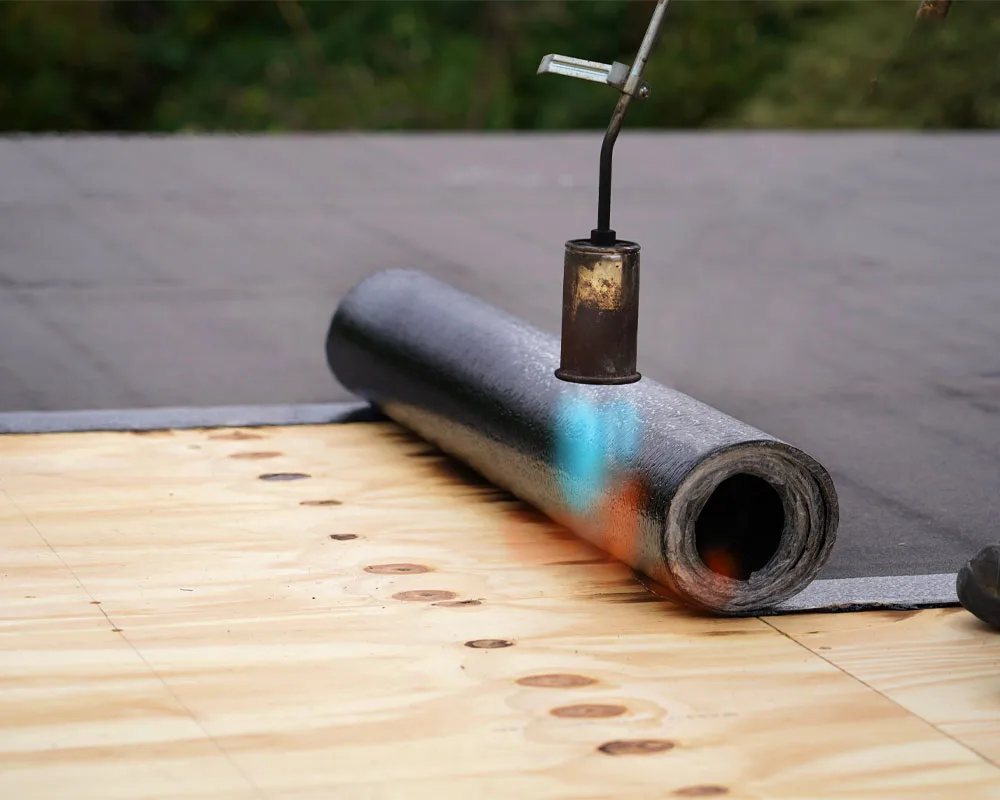
- Installing the new barrier: We lay down a modern synthetic underlayment, overlapping the seams heavily. We secure it with plastic cap nails so the membrane cannot tear in high winds.
- Replacing the flashing: All metal flashing around vents, skylights, and valleys is replaced. We throw away old, rusted valley metal and install wide, heavy-gauge galvanized steel.
- Resetting the tile: Crews lay the original tiles back into position. Concrete tile becomes brittle over thirty years, so a ten to fifteen percent breakage rate during removal is normal. We replace those broken pieces with matching used tile from a local salvage yard so the finished roof blends perfectly.
What Drives The Cost Of Underlayment Replacement
Pricing for an R&R in the West Valley usually ranges from $10,000 to $20,000 depending on the specific characteristics of the home. Several factors dictate where your home falls in that range.
- Square footage and pitch: A larger roof requires more material and more labor days. Steep roofs require specialized safety rigging, which slows down the work and increases labor costs.
- Decking damage: If the roof has been leaking for three years unnoticed, expect to pay for extensive plywood and truss repair. The longer you wait, the higher this line item goes.
- Tile profile and availability: Rare or discontinued tile profiles are harder to source from salvage yards. If your roof has an unusual tile, replacing the broken pieces costs more.
- Material upgrades: Switching from traditional felt to a premium synthetic polymer adds upfront material cost, but it provides a significantly longer lifespan.
Synthetic Versus Traditional Felt: Making The Right Choice
Traditional asphalt felt was the standard for fifty years. It absorbs water over time, tears easily during installation, and bakes under concrete tiles. While it is cheap, it is the wrong choice for a harsh desert climate.
Synthetic underlayment is woven from advanced polymers like polypropylene. It offers massive advantages for Arizona homes and is the only material we recommend for a tile lift and relay.
- Tear resistance: Synthetic membrane is incredibly difficult to tear. It holds up under heavy foot traffic during the tile resetting process.
- Heat reflection: It handles the extreme temperatures under a hot concrete tile without drying out or losing its flexibility.
- Moisture blocking: Synthetics do not absorb water. They shed it instantly.
- Slip resistance: Synthetics feature a textured surface that makes them significantly safer for crews to walk on during installation. This reduces accidents and speeds up the replacement timeline.
- Lifespan: A high-quality synthetic underlayment lasts decades longer than asphalt felt, meaning you will likely never have to do an R&R on your home again.
Frequently Asked Questions About Roof Underlayment
Can you patch underlayment instead of replacing it? You can patch a localized puncture, such as damage from a dropped tool or a single cracked tile. You cannot patch underlayment that is failing from old age. If the felt is brittle in one spot, it is brittle everywhere. Patching one leak just forces the water to find the next weak point three feet away.
Do I have to buy all new tiles when the underlayment is replaced? No. Most concrete tiles last fifty years or more. A standard R&R reuses your existing tiles, saving you thousands of dollars compared to buying a completely new roofing system.
Does homeowners insurance cover underlayment failure? Not usually. Insurance covers sudden, accidental damage like a microburst blowing off tiles or large hail cracking the roof. Underlayment failure is considered routine wear and tear, which is a homeowner maintenance responsibility.
How long does an R&R job usually take? A typical Sun City home takes between three and five days to complete, depending on the amount of wood repair needed and the size of the crew.
Schedule A Roof Inspection In Sun City
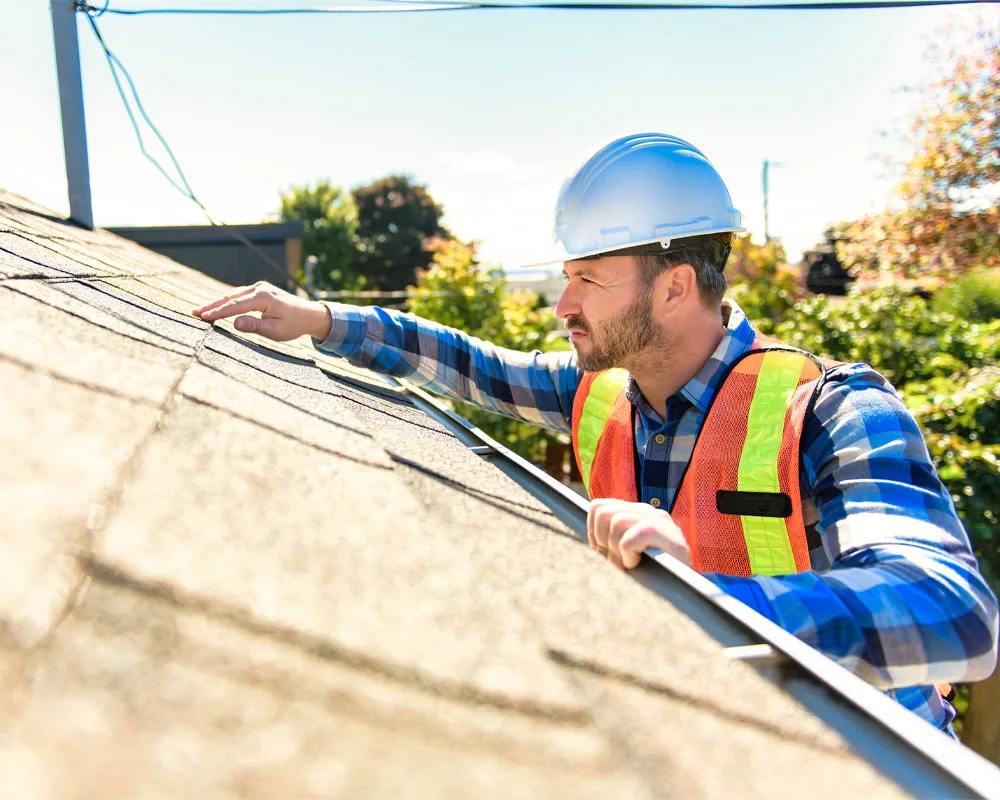
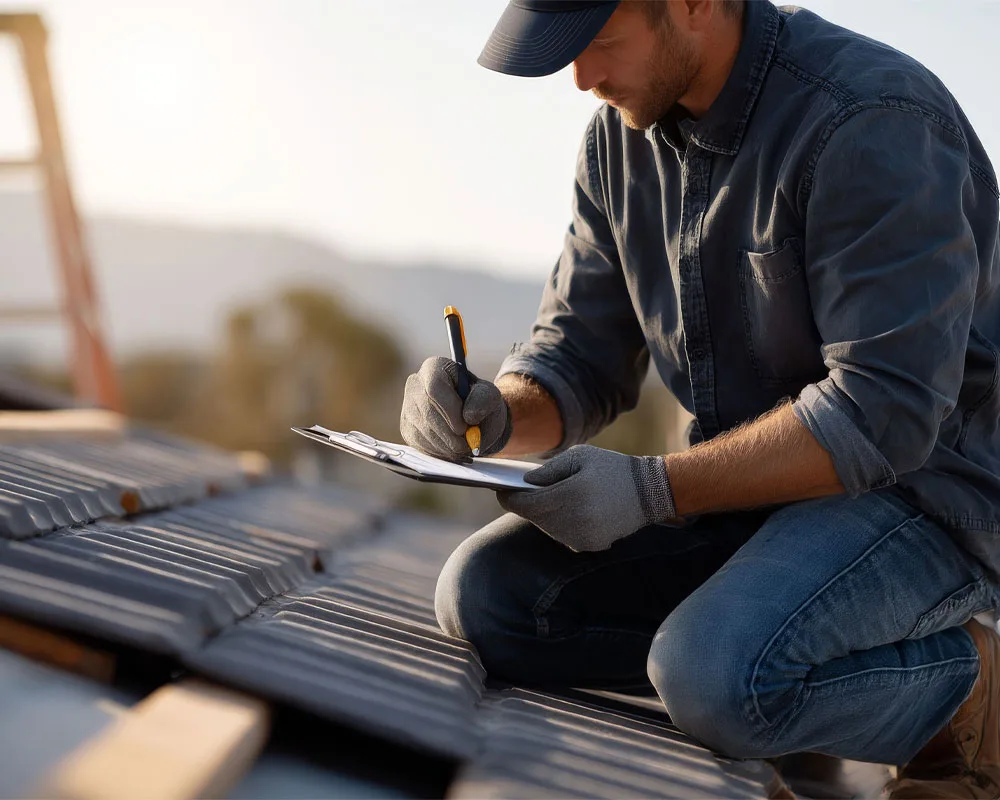
The only way to know the true condition of your waterproofing is to lift a tile and look. A visual inspection from the street tells you nothing about the paper protecting your home. Call Sun City AZ Roofing to schedule a detailed inspection of your underlayment, flashing, and mortar. We will put a professional on the roof, lift the necessary tiles, and show you exactly what is happening underneath. You will get a straight answer on whether your roof can wait or needs attention now, along with a transparent estimate for the work. Call our office today to secure your inspection time.