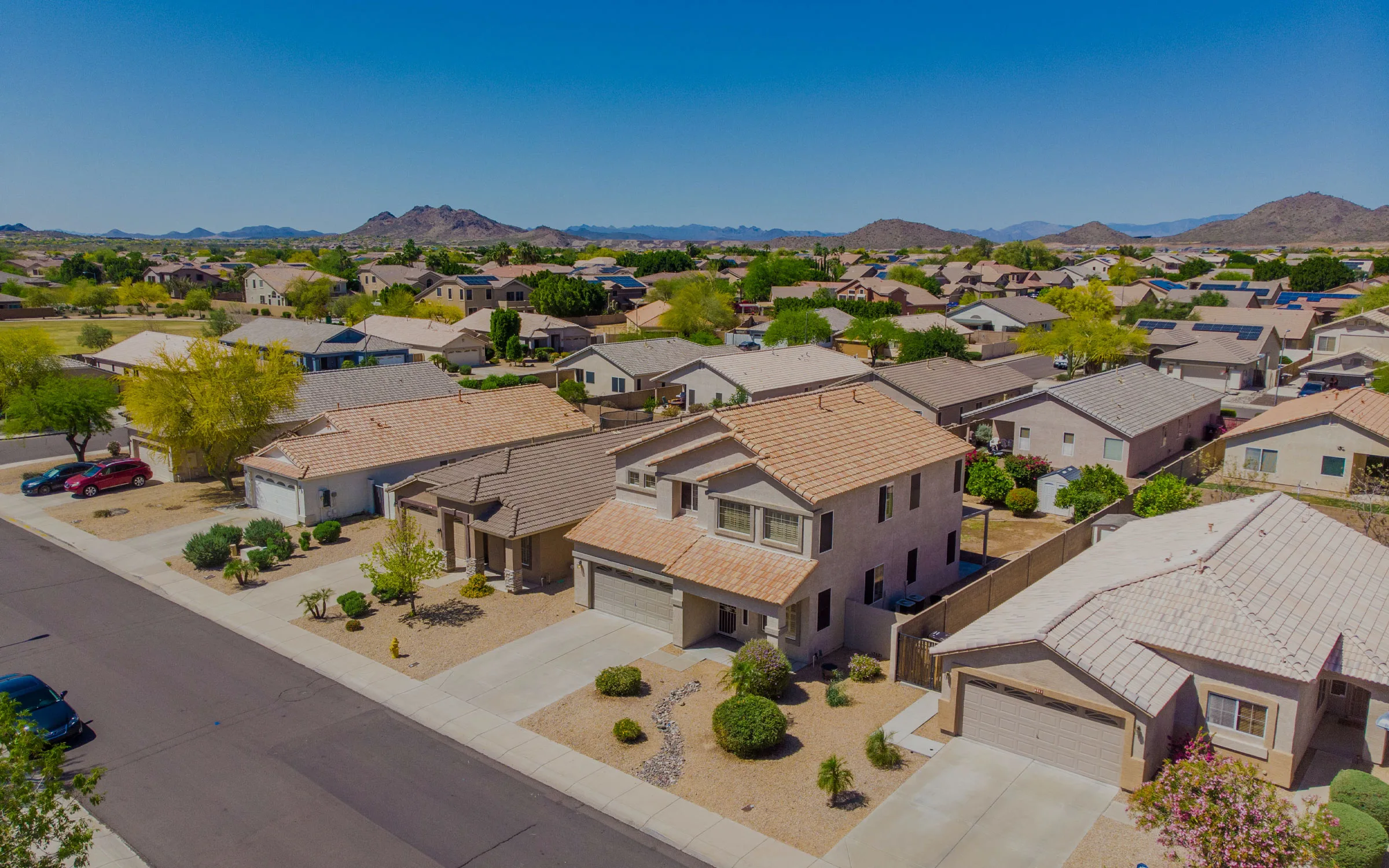

Most Sun City and West Valley homes have a split personality. The main house sits under a sloped concrete tile roof, while the carport, Arizona room, or patio cover relies on a flat roof. These low-slope sections take a brutal beating from the desert sun. When a brown stain shows up on the patio ceiling, you need a fast answer on what to do next.
This guide walks through what actually causes flat roof leaks in Arizona, realistic costs for a flat roof repair, how foam roof recoating works, and the point at which patching stops being the smart money.
Why Flat Roofs Leak In Sun City (And How To Spot It)
Flat roofs in Arizona do not die from rain. They die from ultraviolet radiation and extreme thermal shock. The sun bakes the protective coating off the membrane, and the daily temperature swing from 110 degrees at noon to 75 degrees at night causes the material to expand and contract. Over time, the roofing materials break down.
Finding the source of a flat roof leak is difficult because water rarely drops straight down. It travels along the structural beams and drywall tape before showing up on your ceiling. We typically trace flat roof failures back to four specific issues.
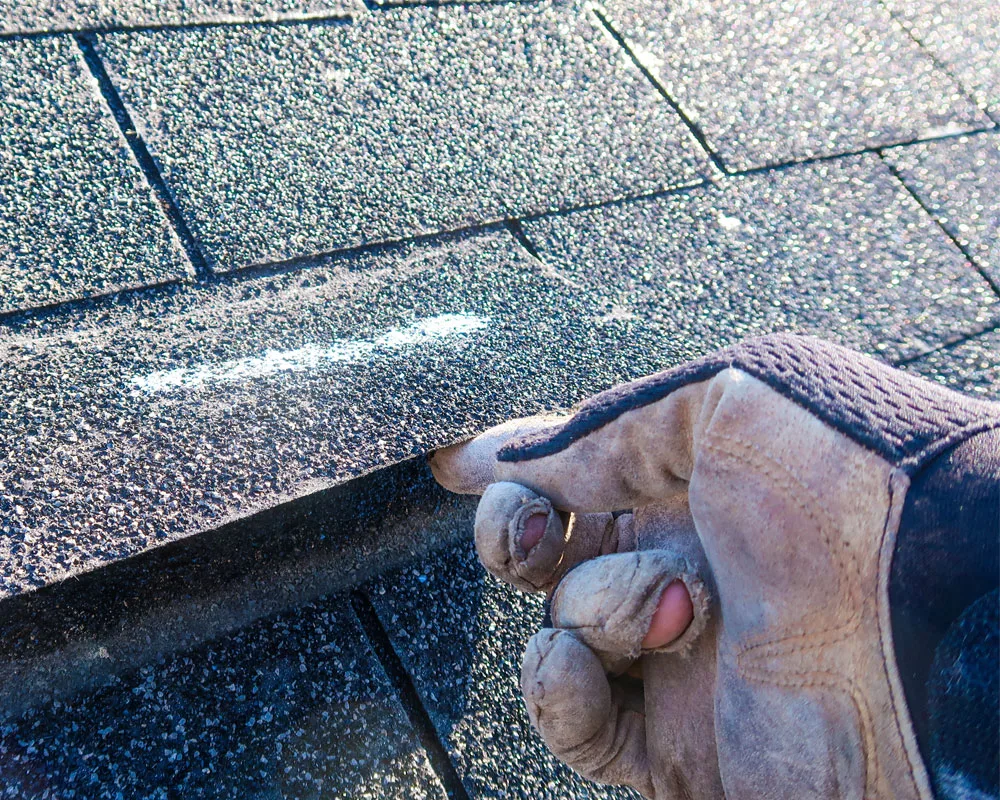
- Blisters and bubbles: Trapped moisture turns to vapor under the desert sun. The vapor expands and pushes the roof coating up into a bubble. When someone steps on the blister, it cracks and opens a direct path for water.
- Clogged scuppers and ponding water: Flat roofs are built with a slight slope to direct water toward a drain, called a scupper. Palm fronds and dust clog these scuppers fast. Water backs up and sits in a pool. If water stays on a roof for more than forty-eight hours after a rain, it will dissolve the coating and degrade the membrane.
- Cracked parapet walls: Many Sun City flat roofs are surrounded by low stucco walls. The stucco cracks in the heat. Water enters the top of the wall, travels down the internal framing, and shows up as a ceiling leak inside the home.
- Alligatoring: The top coat of asphalt or elastomeric coating dries out and cracks into a pattern that looks like reptile skin. This means the roof has lost all its elasticity and is absorbing water instead of shedding it.
The Transition: Where Most Flat Roof Leaks Start
Before we look at the flat surface itself, we check the seam. The single most common source of a flat roof leak repair in Sun City is the transition line. This is where the sloped tile roof meets the flat patio or addition.
Water runs rapidly down the tile and slams into the flat transition. If the flashing is bent, rusted, or sealed with old mastic that has cracked in the sun, water pushes backward under the flat roofing membrane. Fixing a transition leak requires lifting the bottom rows of tile, removing the old flashing, installing new metal, and tying it properly into both the sloped underlayment and the flat roof system. Patching the top of a transition without lifting the tile above it is a waste of money.
Flat Roof Repair: Fixes And Costs
A targeted flat roof repair makes sense when the majority of the roof surface is still pliable and intact. We trace the leak to a specific puncture, failing seam, or cracked penetration, and we fix just that area.
- Elastomeric patching: We cut out blisters, dry the sub-layer, and apply a specialized primer and a three-course patch using roofing mesh and elastomeric mastic. This typically costs between $300 and $600 for a few isolated spots.
- Flashing and scupper sealing: We clean out the drainage points, remove brittle caulking around vents and scuppers, and apply new commercial-grade sealant. Expect to pay $400 to $800 depending on how many penetrations need work.
- Transition tie-ins: Rebuilding the seam between a tile roof and a flat roof is a larger job because it involves two different systems. This runs between $800 and $1,500 based on the length of the transition.
Foam Roof Recoating Versus Replacement
A large percentage of flat roofs in Sun City West and Peoria are made of polyurethane foam. Foam is highly energy efficient, but it requires a white elastomeric top coat to protect it from UV rays. This top coat wears thin by about one to two mils per year. Once the raw yellow foam is exposed, the sun destroys it in a matter of months.
You do not always need a flat roof replacement just because the coating is thin. If the foam underneath is dry and firmly attached to the deck, we can save it. We clean the roof, patch any small bird holes or cracks, and apply a thick new layer of elastomeric coating.
Recoating a foam roof costs a fraction of the price of a full tear-off. You should plan to recoat a foam roof every ten to fifteen years. If you ignore the coating schedule and the foam absorbs water, recoating is no longer an option. You will have to pay for a full replacement.
The Flat Roof Replacement Process
Patching a roof that has reached the end of its lifespan only buys you a few months. You need a flat roof replacement when the insulation under the membrane is saturated with water, when the surface is completely brittle, or when the roof has already been patched multiple times and continues to fail.
The replacement process follows a strict order to ensure the new system actually lasts.
- Tear off and disposal: We strip the old membrane, foam, and gravel down to the bare wood deck. Leaving the old roof in place traps moisture and voids the warranty on the new materials.
- Decking inspection and wood replacement: Water often rots the plywood underneath. We replace compromised wood so the new roof has a solid structural base.
- Tapering and crickets: If the old roof held water, we install tapered insulation boards to build a positive slope. This forces water to flow directly toward the scuppers.
- Membrane application: We lay down the heavy waterproofing layers, ensuring tight seams and complete coverage.
- Edge metal and flashing: We install new drip edges and seal all pipe penetrations and skylight curbs.
Modified Bitumen Or Foam: Choosing A New Roof
In Sun City, we typically replace flat roofs using one of two systems. The right choice depends on your budget and how you use the room below.
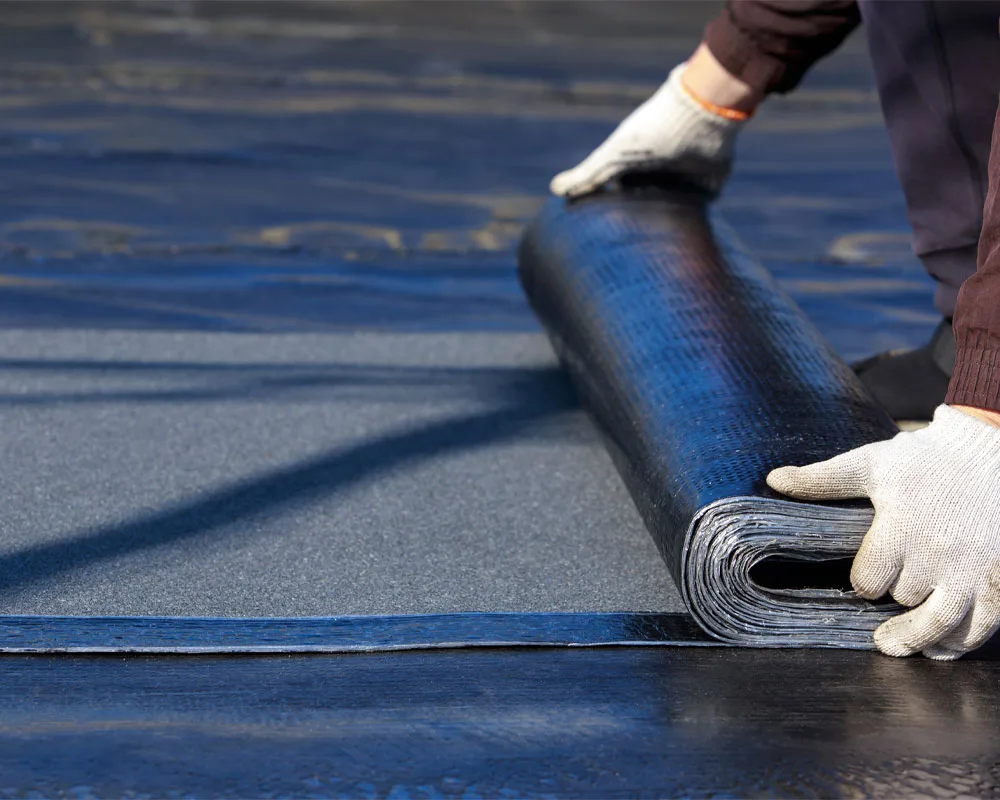
- Modified Bitumen (Rolled Roofing): This is a tough, asphalt-based material applied in overlapping rolls. We use a self-adhering or cold-applied system, which avoids the severe fire hazard of using a hot torch on a residential home. Modified bitumen handles foot traffic well and lasts fifteen to twenty years. It costs roughly $5 to $8 per square foot for a complete tear-off and installation.
- Polyurethane Foam (SPF): We spray liquid foam directly onto the prepared deck. It expands to form a continuous, watertight layer, and then we coat it with silicone or acrylic. Foam provides incredible insulation, which keeps your Arizona room or patio much cooler in the summer. A new foam roof typically costs $6 to $10 per square foot.
The Danger Of DIY Flat Roof Leak Repair
Hardware stores sell buckets of black roofing mastic, and many Sun City homeowners try to fix a flat roof leak themselves. We see the results of this every week.
Spreading black tar over a ponding area or a blister traps water inside the roof. When the sun hits that trapped water, it turns to steam, expands, and blows a hole right through the patch. Furthermore, black tar absorbs heat. This accelerates the breakdown of the surrounding white roof coating. If you put the wrong chemical sealant on a foam roof, it can melt the foam entirely. A professional repair uses materials that match the existing system and allows trapped moisture to escape safely.
Sun City Flat Roof Repair FAQ
How long does a flat roof last in Arizona?
Modified bitumen roofs last fifteen to twenty years before the desert sun dries out the asphalt layers. Polyurethane foam roofs can last indefinitely, provided you apply a new protective elastomeric coating every ten to fifteen years.
Can I walk on my flat roof?
You should stay off an older flat roof. Foam roofs puncture easily under heavy boots or dropped tools. Modified bitumen handles foot traffic better, but walking on any aging roof increases the risk of cracking the membrane or breaking a blister.
Why does water pool on my flat roof?
Flat roofs are actually built with a slight slope to direct water to the scuppers. Water pools when the building settles, when the original contractor failed to install tapered insulation, or when palm debris clogs the drainage points. Ponding water destroys flat roofs faster than anything else.
Will insurance cover a flat roof replacement?
Insurance covers sudden, accidental damage like a fallen tree limb or severe wind lifting the membrane. Carriers do not cover leaks caused by age, neglected maintenance, or normal sun wear. We document the exact cause of your damage so you know whether filing a claim makes sense.
Get A Professional Flat Roof Inspection
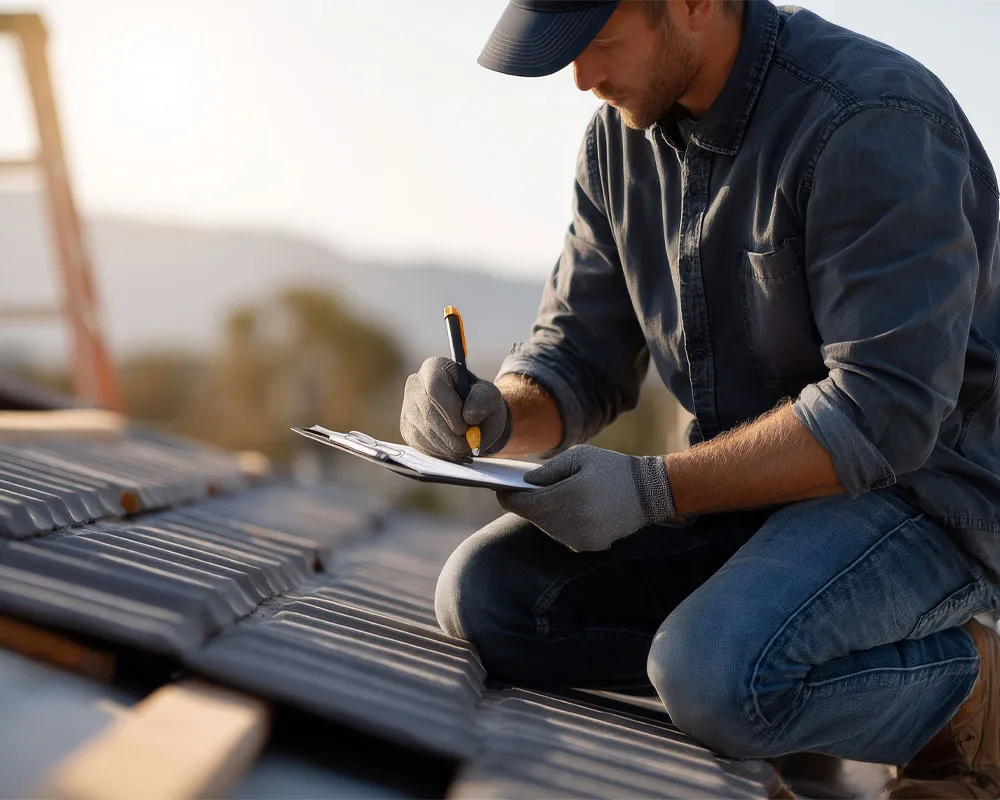
Do not wait for a small ceiling stain to turn into collapsed drywall. The best time to address a flat roof issue is before the next monsoon storm hits. Sun City AZ Roofing provides honest, practical inspections and concrete pricing for West Valley homeowners. Call us today to schedule your roof evaluation.