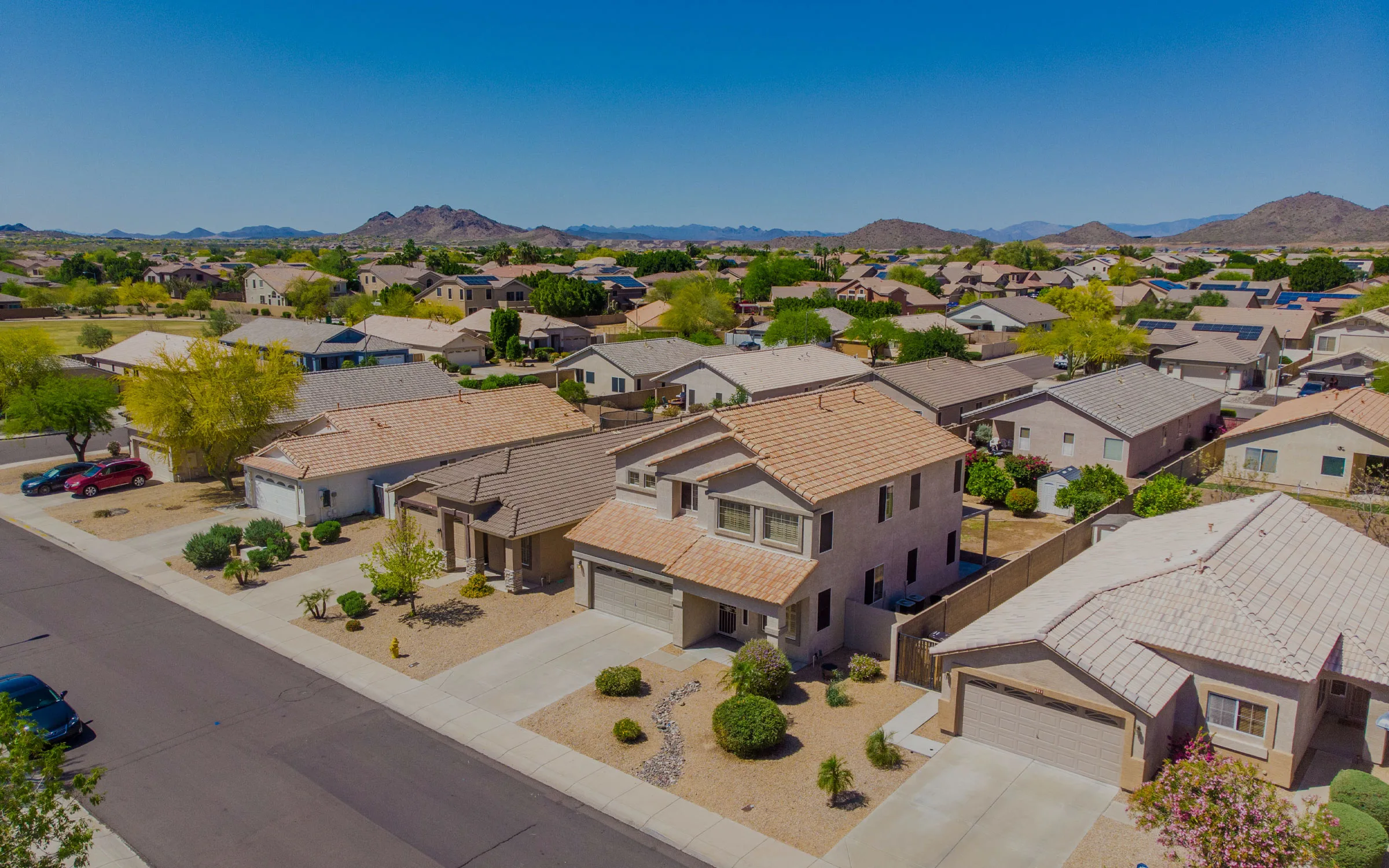

Drive any street in Sun City, Sun City West, or Peoria and you are looking at concrete tile. It is the default roof of the West Valley, it handles our sun better than almost anything else, and it confuses homeowners more than any other roof type. The call we get most often starts the same way: a few tiles look cracked, or there is a stain on the ceiling, and nobody can tell whether that is a hundred-dollar problem or a twenty-thousand-dollar one.
This guide walks through what actually fails on an Arizona tile roof, what each repair typically costs here, what you can safely check yourself, and the point at which patching stops being the smart money.
Your Tile Is Not What Keeps The Water Out
This is the single most useful thing a tile roof owner can understand. Concrete and clay tile are a shield. They take the sun, the hail, and the brunt of a monsoon storm, and they shed most of the water. But the actual waterproof layer is the underlayment stapled to the deck underneath them.
That underlayment is felt or a synthetic membrane, and Arizona sun cooks it through the tile for twenty to twenty-five years until it dries out, shrinks, and cracks. The tile above it can be flawless. That is why a roof can look brand new from the curb and still leak in the first serious storm of the season. The tile underlayment replacement guide covers what that job involves, and how long tile roofs last in Arizona covers the timeline.
So when we say tile roof repair, we usually mean repairing what is beneath the tile, flashing that has failed at a penetration, or resetting tile that has slipped out of position. Replacing a cracked tile by itself is the smallest part of the work.
If the damage happened in a single storm rather than over years, start with our storm damage roof repair guide.
The Seven Problems We Find Most Often
Cracked and broken tiles: usually caused by foot traffic. Satellite installers, solar crews, painters, and HVAC techs walk tile roofs without knowing where the batten support sits, and tiles crack under the step. A cracked tile lets far more water reach the underlayment than the system was designed for.
Slipped or displaced tiles: monsoon wind lifts field tile and shifts it downslope. Gaps open, the row above loses its overlap, and wind-driven rain runs straight underneath.
Failed hip and ridge mortar: the mortar bedding along the ridges and hips is the first thing to crumble on older Sun City roofs. Once it is loose, the ridge tiles move and water gets a direct path in at the highest point of the roof.
Rusted or damaged valley metal: valleys carry the most water on the entire roof. Old galvanized valley metal rusts through at the low end, and debris packed in the valley holds moisture against it year round.
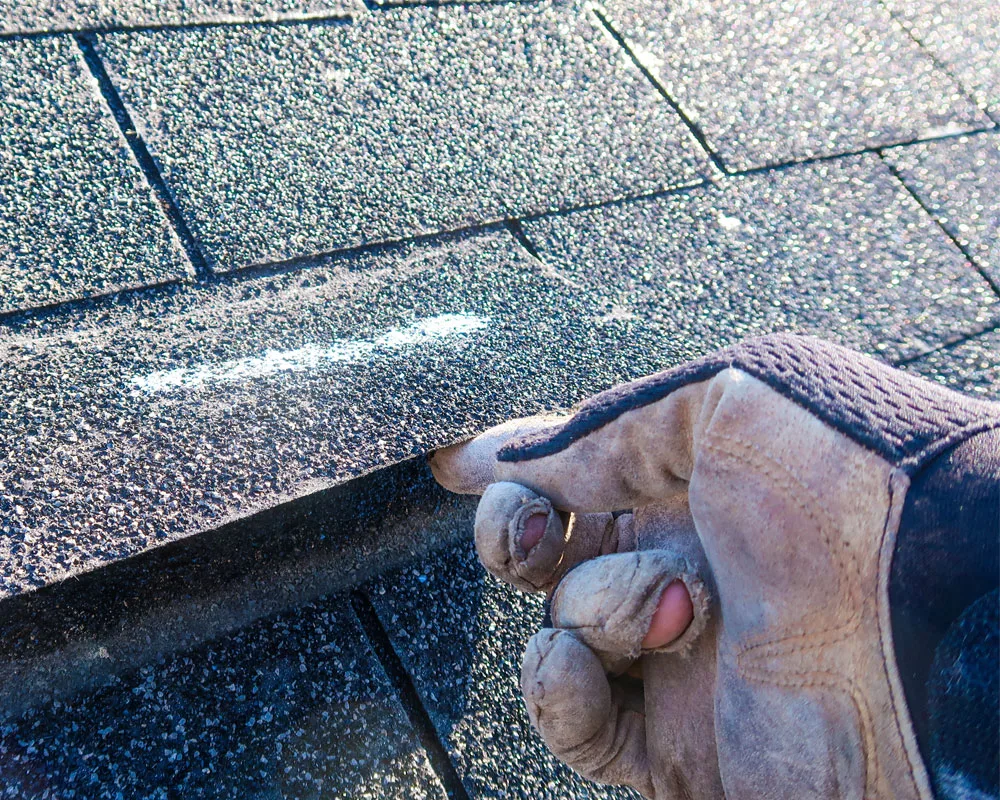
Brittle or exposed underlayment: visible when tiles are lifted. If the felt tears at the touch or has pulled away from the nails, patching around it buys very little time.
Flashing failures at penetrations: pipe boots, vent stacks, skylights, and the transitions where a tile roof meets a flat patio deck. Cracked pipe boots are the most common single-source leak we trace, and leak detection usually finds the entry several feet from the interior stain.
Debris and blocked drainage: palm fronds, gravel, and blown grit collect in valleys and behind ridges, dam the water, and force it sideways under the tile.
Concrete Tile, Clay Tile, And The Matching Problem
The real complication on a 1960s or 1970s home is matching. Tile profiles get discontinued, and the color you see today is decades of desert sun on the original pigment, not the color it left the plant as. A brand new tile in the middle of a weathered field is obvious from the street.
There are two ways around it. The first is salvage: we pull matching tile from an inconspicuous slope, such as a rear elevation or a patio cover, use it for the visible repair, and put the closest available new tile in the hidden spot. The second is a supply-yard match, where we source used tile of the same profile from local reclaim stock. On most Sun City repairs we use some combination of both, and the finished patch is hard to pick out.
If your home still has original tile in good condition, keep any spares that come off a job. A stack of a dozen matching tiles in the side yard is worth real money to future you.
Most Sun City homes are on concrete tile: flat profile, low S-curve, or the mission barrel look. Clay shows up more often on custom homes and later builds. The repair work is broadly the same, but clay is more brittle and less forgiving to walk, so we stage it differently.
What Tile Roof Repair Costs In The West Valley
These are the ranges we see on typical Sun City and Peoria homes. Every roof is different, and a real number comes after someone gets on the roof and looks. Use these to know whether a quote is in the normal band, not as a substitute for one.
Sectional underlayment replacement (lift and relay one slope): $3 to $7 per square foot of the affected area, using your existing tile. This is the middle path between a patch and a full re-roof, and it is very common here.
Individual tile replacement: $150 to $450 for a service call covering a handful of cracked or slipped tiles, including matching and resetting. Most companies have a minimum trip charge, so replacing two tiles costs close to what replacing eight does.
Hip and ridge re-mortaring: $500 to $2,000 depending on how many linear feet need to come off and be rebedded. Doing a full ridge line properly costs more than spot-patching, and lasts far longer.
Valley repair or valley metal replacement: $800 to $2,500 per valley, driven by length and whether the surrounding tile has to be lifted and reset.
Pipe boot, vent, and flashing repairs: $300 to $900 per penetration, which is the cheapest fix on the list and the one that prevents the most interior damage.
Leak diagnosis and single-source repair: $350 to $1,200. The roof repair cost breakdown goes through this line by line.
Full lift and relay with new underlayment: this crosses into roof replacement territory, where the tile is reused but everything beneath it is new.
Should You Fix A Cracked Roof Tile Yourself?
There is also the underlayment issue. Sliding a replacement tile into place does nothing if the membrane below it has already torn, and you will not know unless the tile is lifted and inspected. Homeowners frequently replace a visible tile, assume the leak is handled, and find out in the next storm that it was not.
Skip the hardware-store sealants. Roofing tar smeared over a cracked tile or a flashing joint traps moisture, bakes hard in a summer, cracks again, and makes the eventual proper repair more expensive because it all has to be cleaned off first.
Honest answer: almost never, and not because we want the work. Tile roofs are the most dangerous common roof to walk. Tiles are slick when dusty, they crack under a misplaced step, and the correct footing is on the lower third of the tile where the batten supports it. One wrong step turns a single cracked tile into six, and the repair bill goes up rather than down.
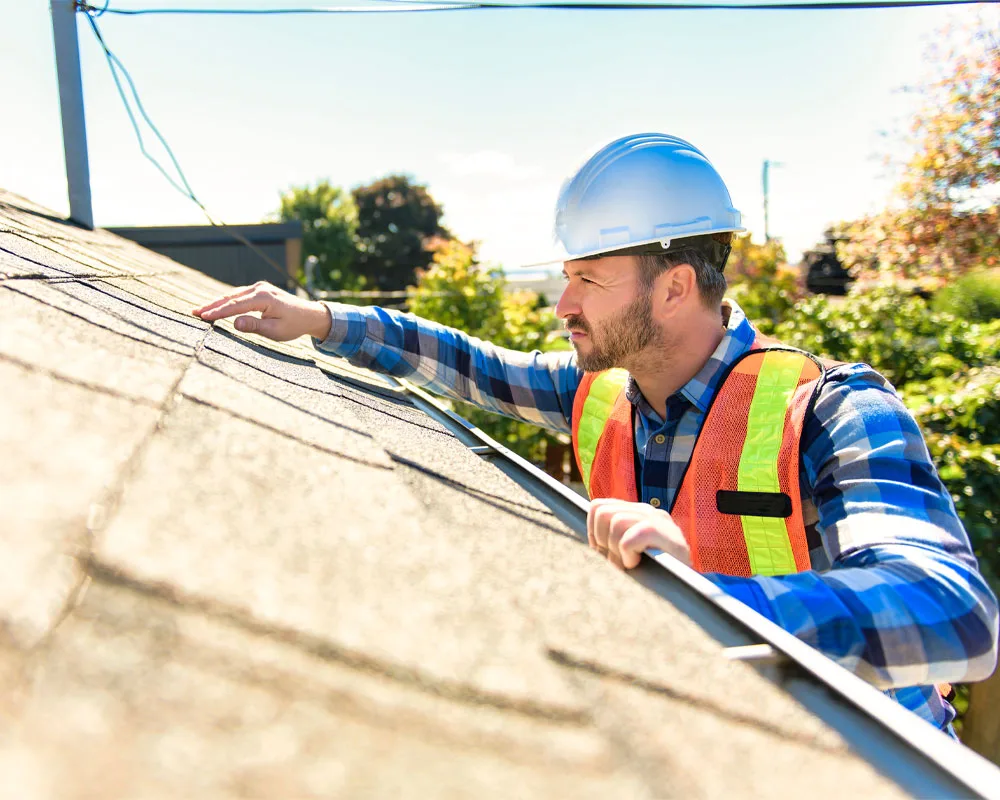
What is safe and genuinely useful from the ground: walk the perimeter with binoculars after every storm and look for tiles that have shifted out of line, gaps along the ridge, or fragments in the yard and gutters. Check the ceiling and attic for staining after heavy rain. Keep the ground around downspouts clear so you can see where water is actually coming off the roof. Our monsoon damage checklist turns that into a repeatable routine.

Repair, Sectional Relay, Or Full Re-Roof?
The decision comes down to how widespread the underlayment failure is, not how many tiles are broken. Here is how we sort it.
Full replacement of the underlayment makes sense when: you are past twenty years on the original membrane, leaks are appearing in unrelated areas of the roof, the felt tears when handled, or you are getting quotes for a third repair in two years. At that point every repair dollar is being spent on a system that is finished. The twelve signs you need a new roof lays out those thresholds in detail.
Repair makes sense when: the problem is one identifiable source, the underlayment elsewhere is still pliable, the roof is under roughly eighteen years on its current underlayment, and you have not had repeat leaks in different areas.
A sectional lift and relay makes sense when: one slope or elevation has failed, typically a south or west face that takes the worst sun, while the rest of the roof still tests fine. This is the most under-used option in the valley and it can add ten or more years to a roof for a fraction of a full job.
One more factor specific to here: if you are planning solar, do the underlayment first. Removing and resetting panels later costs thousands and nobody enjoys that conversation.
A Simple Tile Roof Maintenance Schedule
Tile roofs are low maintenance, not no maintenance, and the difference between a 20-year underlayment and a 28-year one is mostly whether anyone paid attention.
Our maintenance plans bundle the inspections and minor tile resets, which is the cheapest way to keep a tile roof out of trouble.
We handle tile repair across Sun City, Sun City West, Peoria, Surprise, Youngtown, El Mirage, and Glendale.
Twice a year: clear valleys, ridges, and gutters of palm fronds, gravel, and blown debris. Standing debris is the most common cause of premature underlayment failure we see.
After every significant monsoon storm: a ground-level visual for shifted tile and a look at ceilings and the attic for fresh staining.
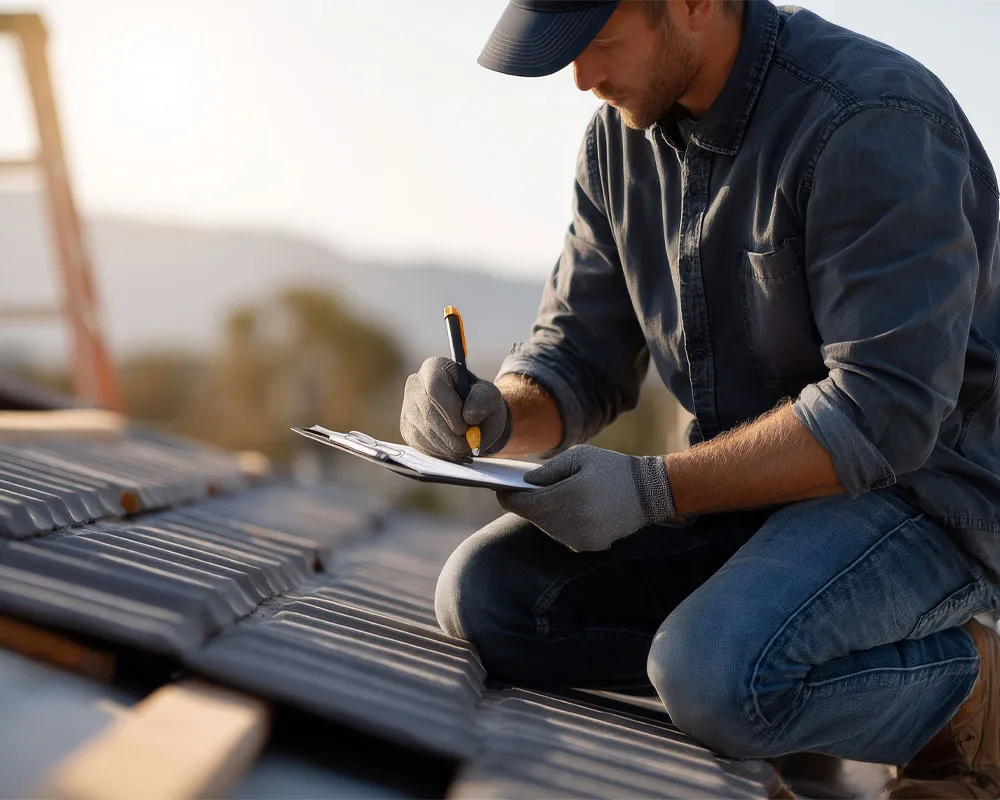
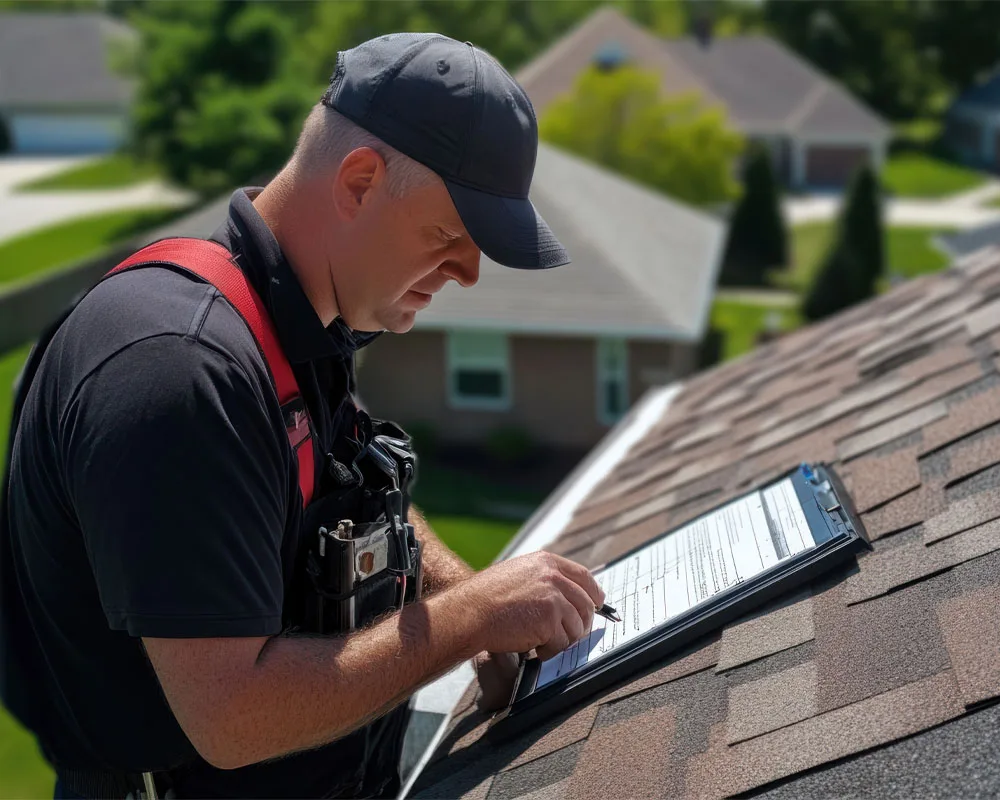
Every one to two years: a professional roof inspection where tiles are lifted at key points so the underlayment, flashing, and valley metal are checked rather than guessed at. Ours are free and photo-documented, so you see what we see.
Before and after other trades work on your roof: whenever solar, HVAC, satellite, or pest control crews go up there, do a walk-around afterward. A large share of the cracked tile we replace was created by someone who was not a roofer.
Get Eyes On It Before The Next Storm
If you have cracked tile, a stain on the ceiling, or you simply have not had anyone look at the roof in a few years, the inspection is the cheap part. Waiting is what gets expensive, because water that reaches the deck starts costing you sheathing and drywall on top of the roof work.
Call Sun City AZ Roofing at (623) 340-9866 or request a free tile roof inspection. We are licensed under Arizona ROC 281375, we work on these tile profiles every day, and you get a photo report and a written scope before you decide anything.
Not sure whether your tile roof needs a repair or a full underlayment replacement? A roof inspection that lifts tile at the valleys and eaves answers that before you spend anything.
Related Reading & Services
- Roof Repair & Leak DetectionTile resets, flashing repairs, and leak tracing.
- Free Roof InspectionWe lift tile and photograph what is underneath.
- Tile Underlayment ReplacementWhat a lift and relay actually involves.
- How Long Do Tile Roofs Last?Realistic lifespans for tile and the felt beneath.
- Roof Repair Cost In Sun CityPrice ranges for the most common repairs.
- Roof ReplacementWhen patching stops being the smart money.
- Roofing In Sun City WestCrews who know these tile profiles.
- Roofing In PeoriaFast tile repair response across Peoria.
Need A Sun City Roofer?
Talk to a real Sun City AZ Roofing team member, fast scheduling and honest, upfront pricing.