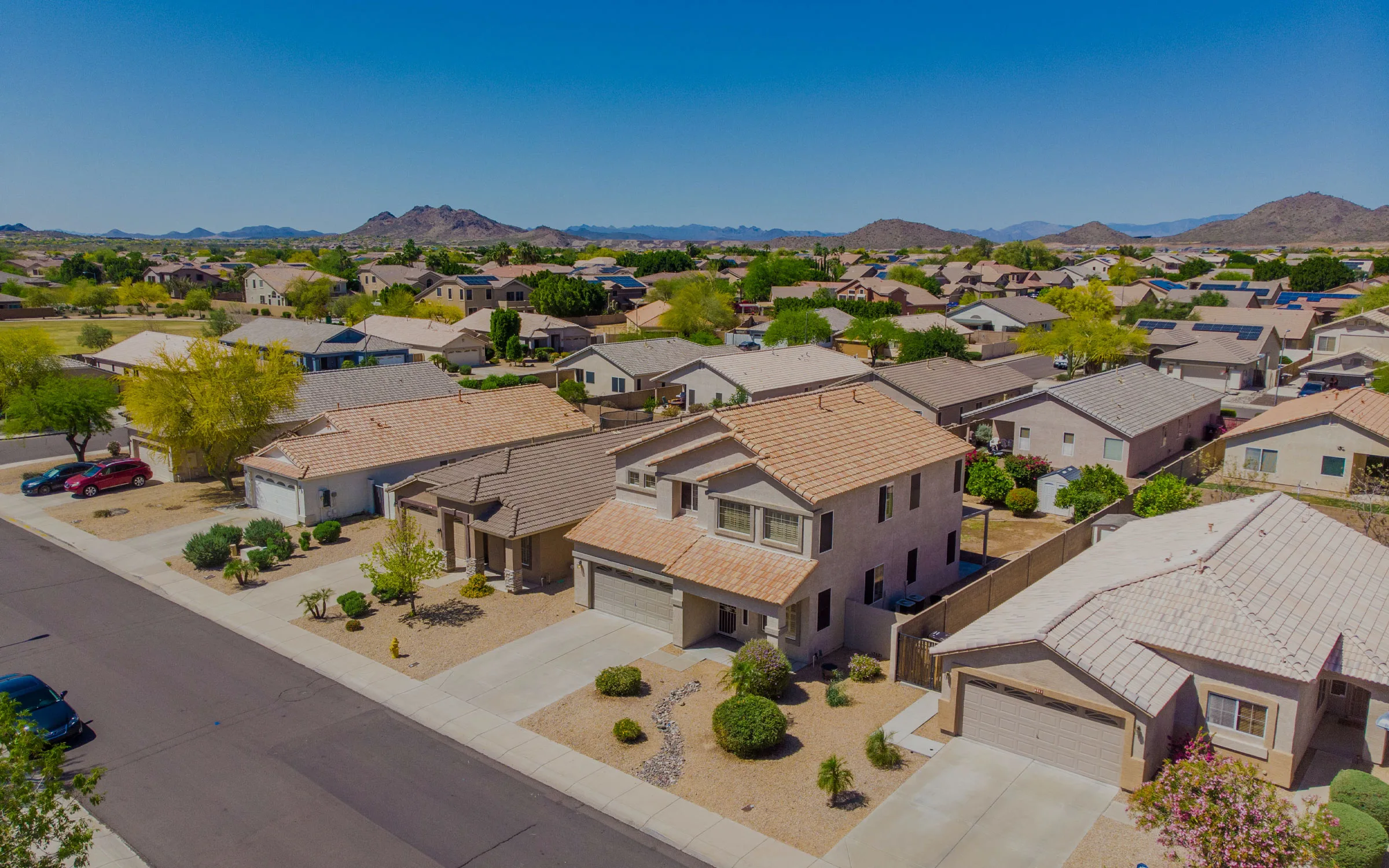

A West Valley monsoon cell can go from a dust wall on the horizon to sixty mile per hour gusts and an inch of rain in under thirty minutes. By morning the street is full of palm fronds, there are tile fragments in the gravel, and there is a brown ring spreading across the guest bedroom ceiling. That is when people start searching for emergency roof repair near me at six in the morning, and that is exactly the wrong moment to be making decisions with no information.
This guide is the one we wish every Sun City homeowner had bookmarked before storm season. It covers what actually counts as a roofing emergency, what to do in the first hour and the first day, how emergency tarping works and what it costs, realistic storm damage roof repair pricing for Sun City, Sun City West, Surprise, and Peoria, and how to document wind and hail damage properly so your claim is not fighting you later.
Is A Leaking Roof Actually An Emergency?
Not every storm-damaged roof needs a truck at the curb tonight, and a good roofer will tell you that instead of selling you a midnight service call. The question is whether water is actively entering the structure and whether the roof is open to the next cell.
It can safely wait for a next-day appointment when: you have a dry stain that is not growing, a handful of cracked or slipped tiles with no interior sign, debris sitting in a valley, or a bent piece of drip edge. Damage like that still needs to be fixed before the next storm, but it does not need a tarp at 2 a.m.
The deciding factor in Arizona is the forecast. Monsoon storms train over the same neighborhoods for days at a time. A roof that is open on Tuesday and untarped on Wednesday is a much larger claim by Thursday, so the honest test is not how bad it looks right now, it is what happens if it rains again tomorrow.
Call for emergency roof repair tonight when: water is dripping or running inside, a ceiling is sagging or bulging, you can see daylight or sky from the attic, a section of tile or decking has blown off, a tree limb is resting on the roof, or water is anywhere near a light fixture, ceiling fan, or electrical panel.
The First Hour: Protect The Inside, Not The Roof
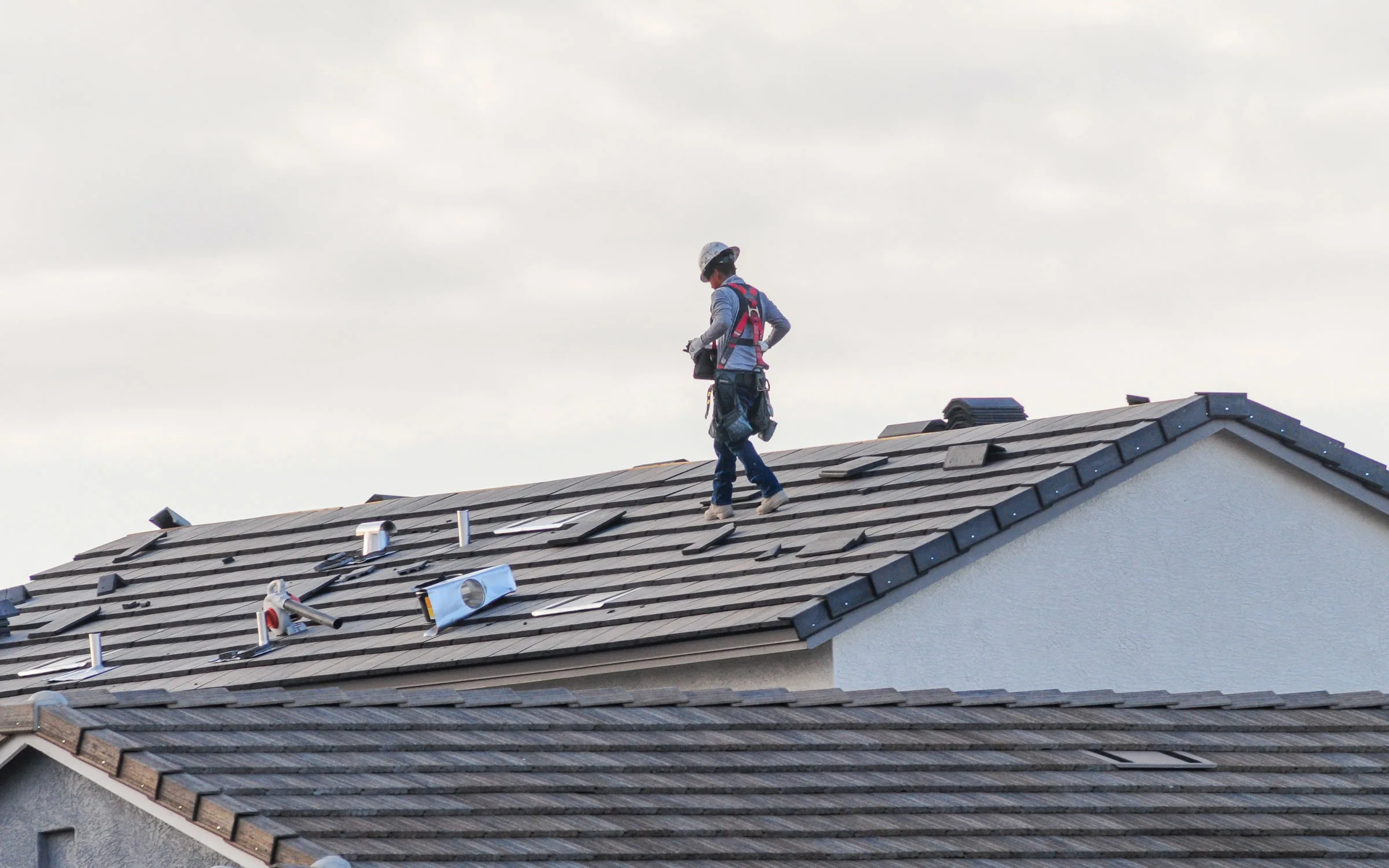
Everything you do in the first hour should happen indoors and at ground level. Nobody should be climbing anything in the dark on a wet tile roof.
Then stop. Do not get on a wet tile roof with a flashlight, and do not let anyone talk you into it. Tile is slick with desert dust, it cracks under a misplaced step, and every year Arizona fire departments pull homeowners off roofs they went up on after a storm.
Cut power to the affected area: if water is near a fixture, fan, or outlet, shut off that circuit at the breaker before you put a bucket anywhere near it.
Move and cover what matters: furniture, electronics, rugs, and anything with sentimental value get moved out of the room or covered with plastic. Water spreads along the ceiling and comes down in places you did not expect.
Catch and relieve the water: buckets under drips, towels around the edges. If a ceiling is bulging with trapped water, a small hole poked at the low point of the bulge with a screwdriver drains it into a bucket and prevents the whole section of drywall from collapsing. That feels wrong and it is the right call.
Photograph everything before you clean up: wet carpet, stained ceiling, standing water, the debris in the yard, the time on your phone. Water evidence disappears fast and the photos are worth more than your description later.
What Monsoon Wind And Hail Actually Do To West Valley Roofs
Storm damage here does not look like storm damage in the Midwest. Our roofs fail at the edges, the penetrations, and the underlayment, and the signs are easy to miss from the curb.
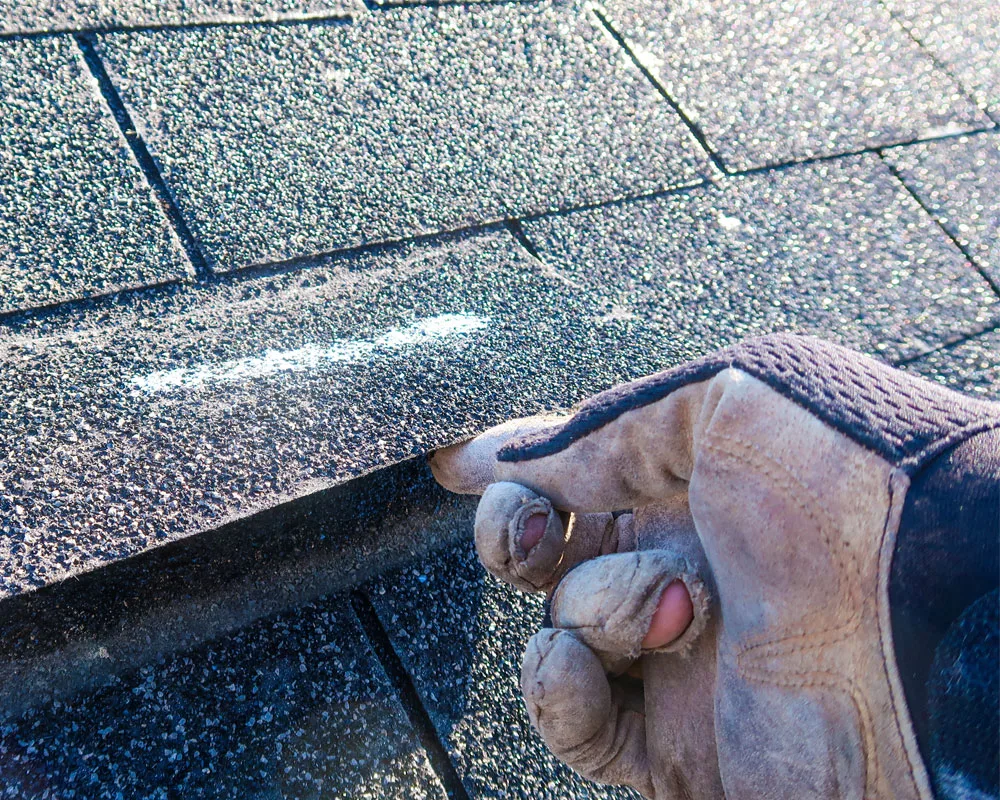
Lifted and slipped tile: wind gets under the leading edge of a field tile, breaks the mortar or fastener, and slides it downslope. The row loses its overlap and the next rain runs straight onto the felt.
Blown ridge and hip tile: the mortar bedding on older Sun City roofs is brittle, and a gust that catches the ridge line can walk several tiles out of position at the highest point on the roof.
Hail bruising and cracked tile: valley hail is usually small, but it is enough to crack concrete tile that is already sun-brittle. The crack often does not show until someone looks at the tile from above.
Torn or lifted flashing and drip edge: wind peels metal at the rakes and eaves, which is the most under-reported wind damage on Arizona homes and the easiest for an adjuster to overlook.
Damaged foam and flat roof sections: patio covers, additions, and Arizona rooms take debris strikes that puncture the coating. Water then travels between the foam and the deck a long way from the hole. Our foam roof recoating guide covers how that surface is supposed to be maintained.
Clogged valleys and scuppers: fronds and gravel dam the water, it backs up above the flashing line, and it goes sideways under the tile. This causes more monsoon leaks in Sun City than any dramatic wind event.
Debris impact and tree limbs: a single dropped limb can puncture the deck. If a limb is still resting on the roof, leave it there until a roofer removes it. Dragging it off usually does more damage than the fall did.

Emergency Tarping And Temporary Roof Repair, Explained
A tarp is not a repair. It is a controlled way to keep the building dry until a permanent fix can be scheduled, inspected, and often approved by an insurer, and doing it properly matters more than doing it fast.
A correct emergency tarp is run up over the ridge so water cannot get under the top edge, secured with battens rather than nails driven randomly through good tile, and sized to overhang the damaged area by several feet on every side. A blue tarp weighted down with bricks in the middle of a slope funnels water to a new place and buys you a second leak.
Emergency tarping in the West Valley typically runs $400 to $1,500 depending on the area covered, roof pitch, and access. Most policies reimburse reasonable emergency mitigation, so keep the invoice and the photos.
Board-up of a punctured deck section, usually after a limb strike, runs $300 to $900. Temporary flashing and pipe boot patching runs $250 to $600 and often holds through the rest of the season.
Expect a tarp to last thirty to ninety days in Arizona sun before UV starts breaking it down. It is a bridge to a permanent repair, not a plan for the winter. Our emergency roofing service page explains how our response and scheduling work.
What Storm Damage Roof Repair Costs In Sun City And The West Valley
These are ranges we see on typical single-story Sun City, Sun City West, Surprise, and Peoria homes after a monsoon event. A real number comes after someone is on the roof with a camera, but these tell you whether a quote is in the normal band.
Sectional underlayment replacement on a damaged slope: $3 to $7 per square foot of the affected area, reusing your existing tile.
Interior repairs, drywall, insulation, and paint are a separate trade and a separate line on a claim. Budget for them and do not let anyone dry the ceiling and paint over it before the cause is fixed.
Resetting and replacing wind-lifted tile: $250 to $700 for a service call covering a handful of tiles, including matching. The tile roof repair guide goes deeper on tile matching on older homes.
Ridge and hip re-mortaring after wind damage: $500 to $2,000 depending on linear feet.
Flashing, drip edge, and pipe boot repair: $300 to $900 per area, and the highest-value repair on this list for preventing interior damage.
Leak tracing and single-source repair: $350 to $1,200, detailed in our roof repair cost breakdown.
Deck repair after a puncture or limb strike: $600 to $2,500 depending on how much sheathing is wet and has to come out.
Full storm-related replacement: when the roof was already near the end of its underlayment life, storm damage is often the event that ends it. Our roof replacement cost guide covers what that looks like here.
Documenting Damage So Your Insurance Claim Holds Up
Arizona policies generally cover sudden wind, hail, and storm damage, and generally exclude wear, sun degradation, and deferred maintenance. Your entire claim comes down to which of those two categories the adjuster puts your roof in, and documentation is how you influence that.
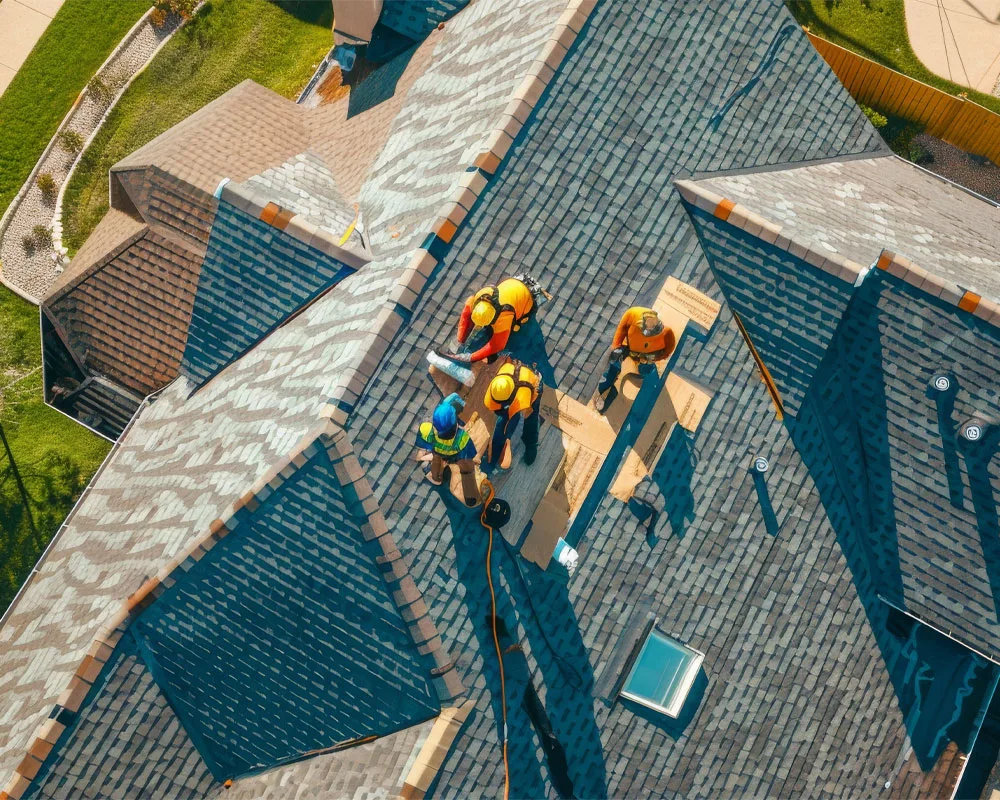
Get a written roofer assessment with photos from the roof surface. An adjuster standing in the driveway cannot see lifted tile or a torn edge of underlayment, and a photo report from a licensed contractor changes that conversation.
File promptly and know your deductible before you decide. If the repair lands near or under the deductible, a claim may cost you more in future premium than it returns. Our full write-up on whether homeowners insurance covers roof damage in Arizona walks through that math.
Be careful with storm chasers. Out-of-state crews follow monsoon events into the West Valley, knock doors, promise to cover deductibles, and are gone by the time the repair fails. Check the Arizona ROC license, check that it is active, and check that the company existed last year. How to choose a roofing contractor in Arizona covers the questions worth asking.
Record the storm: date, approximate time, and what happened. A screenshot of the National Weather Service report or a local news story about that cell is genuinely useful.
Photograph before mitigation: exterior, yard debris, tile fragments, every interior stain, and the attic if you can see it safely from the hatch. Then photograph the tarp after it goes on.
Keep every receipt: tarping, board-up, water extraction, fans, a hotel night if the home was not livable. Emergency mitigation costs are usually reimbursable.
How To Make The Next Storm A Non-Event
Most of the emergency calls we run trace back to something that was visible and fixable before the storm. Storm damage is rarely bad luck alone.
If your roof is over twenty years old on its original underlayment, plan for it rather than reacting to it. The signs you need a new roof tend to show up quietly for a year before a storm makes them loud.
We are based here and we answer the phone during storm season. If you have water coming in right now, call and we will talk you through securing the inside before anyone gets on a roof.
Book the pre-season check itself on a schedule, not a whim. Here is exactly what a roof inspection in Sun City includes, what it costs, and when a roof certification is required.
Pre-season inspection in May or June: the cheapest insurance there is. We lift tile, check the underlayment, reseal penetrations, and photograph what we find. A free roof inspection before the season beats an emergency call during it.
Clear valleys, scuppers, and gutters twice a year: before monsoon and after it. Blocked drainage causes more leaks here than wind does.
Trim back trees and palms: anything that can reach the roof in a sixty mile per hour gust will.
Reseat loose tile and re-mortar ridges early: a $400 job in June is not a $4,000 job in August.
Walk the post-storm routine every time: our monsoon roof damage checklist is a twelve-point version of exactly what to look at after a cell passes.
Related Reading & Services
- Emergency Roof ServiceFast response when water is coming in.
- Roof Repair & Leak DetectionTarping, flashing repairs, and leak tracing.
- Free Roof InspectionPre-season checks and photo damage reports.
- Monsoon Damage ChecklistTwelve points to walk after every storm.
- Insurance & Roof DamageWhat is covered and what is not in Arizona.
- Roof Repair Cost In Sun CityPrice ranges for the most common repairs.
- Roofing In Sun City WestStorm response across Sun City West.
- Roofing In SurpriseEmergency roof repair in Surprise, AZ.
Need A Sun City Roofer?
Talk to a real Sun City AZ Roofing team member, fast scheduling and honest, upfront pricing.