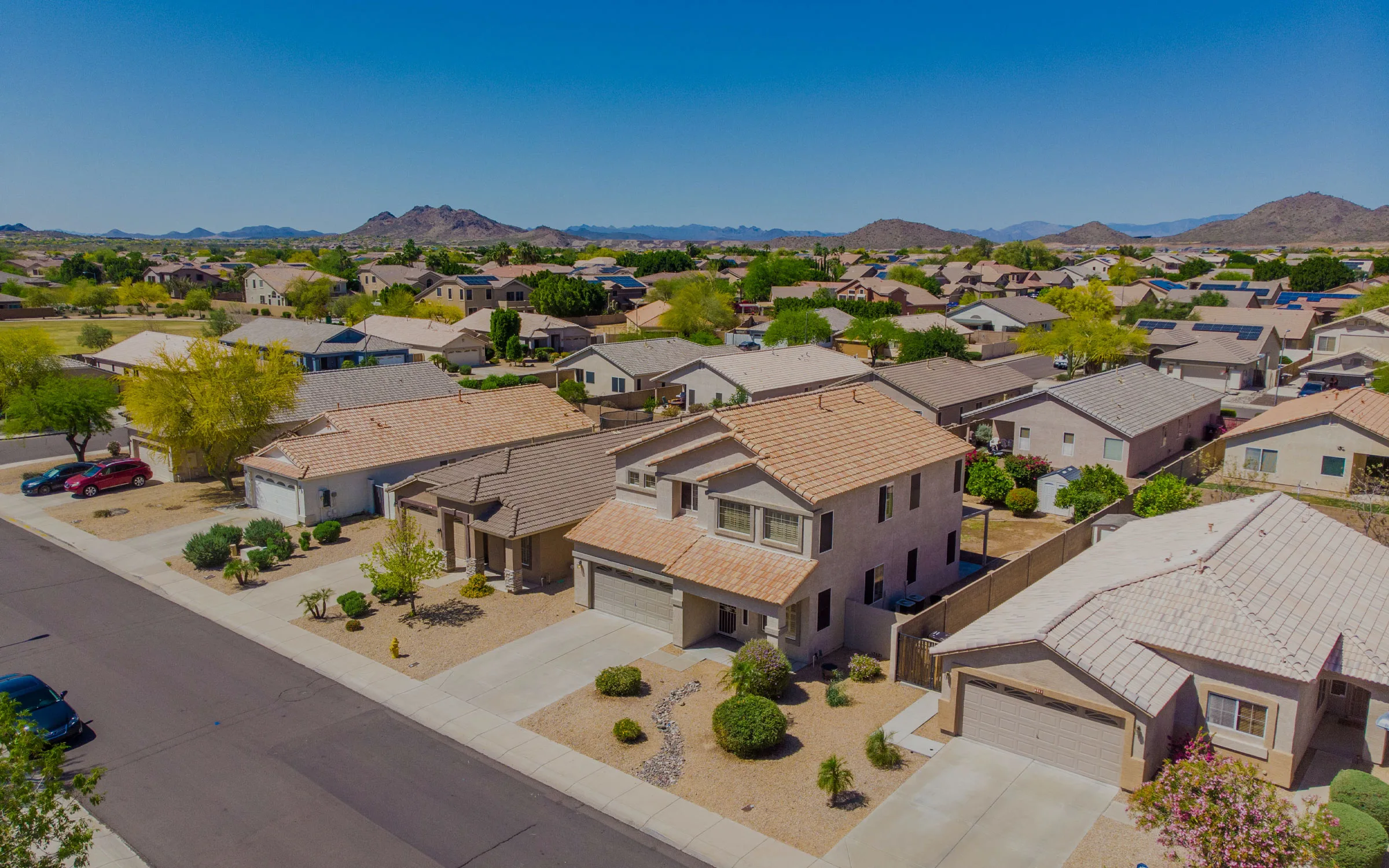
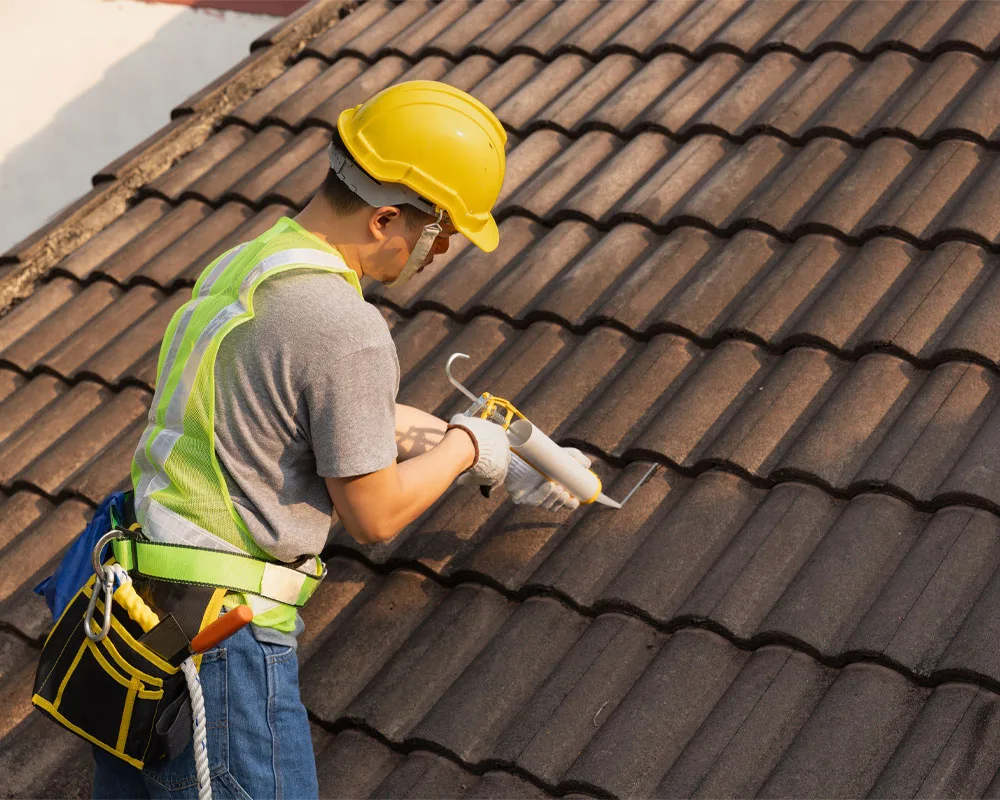

Phoenix summers destroy building materials. The roof takes the worst of the abuse. Homeowners replacing an aging roof usually face a choice between concrete tile and asphalt shingles. A tile vs shingle roof phoenix az decision comes down to three things: what your house is framed to hold, how much you want to spend today, and what you are willing to spend twenty years from now.
This guide compares concrete tile and asphalt shingle roofs based on heat exposure, structural engineering requirements, maintenance needs, and realistic ownership costs for homes in Sun City, Sun City West, and the wider West Valley.
Tile vs Shingle Roof Phoenix AZ: The Core Differences
Concrete tile and asphalt shingles operate on completely different waterproofing principles. Understanding this difference explains why they fail differently and cost different amounts to fix.
Concrete tile is a water shedding system. The tiles act as an umbrella that takes the physical abuse of the sun and rain. They deflect most of the water, but they are not strictly waterproof. The actual waterproofing layer is the underlayment stapled to the wood deck below the tile. As long as the underlayment is intact, the roof stays dry.
Asphalt shingles are a continuous waterproof barrier. The shingles overlap and seal together with a strip of tar. The ceramic granules on the surface protect the asphalt coating from ultraviolet light, and the asphalt repels the water. There is no secondary waterproofing system doing the heavy lifting.
Surviving Arizona Heat and Sun Exposure
When evaluating the best roofing for arizona heat, thermal performance is the main factor. Roof surface temperatures in the West Valley routinely hit 160 degrees in July.
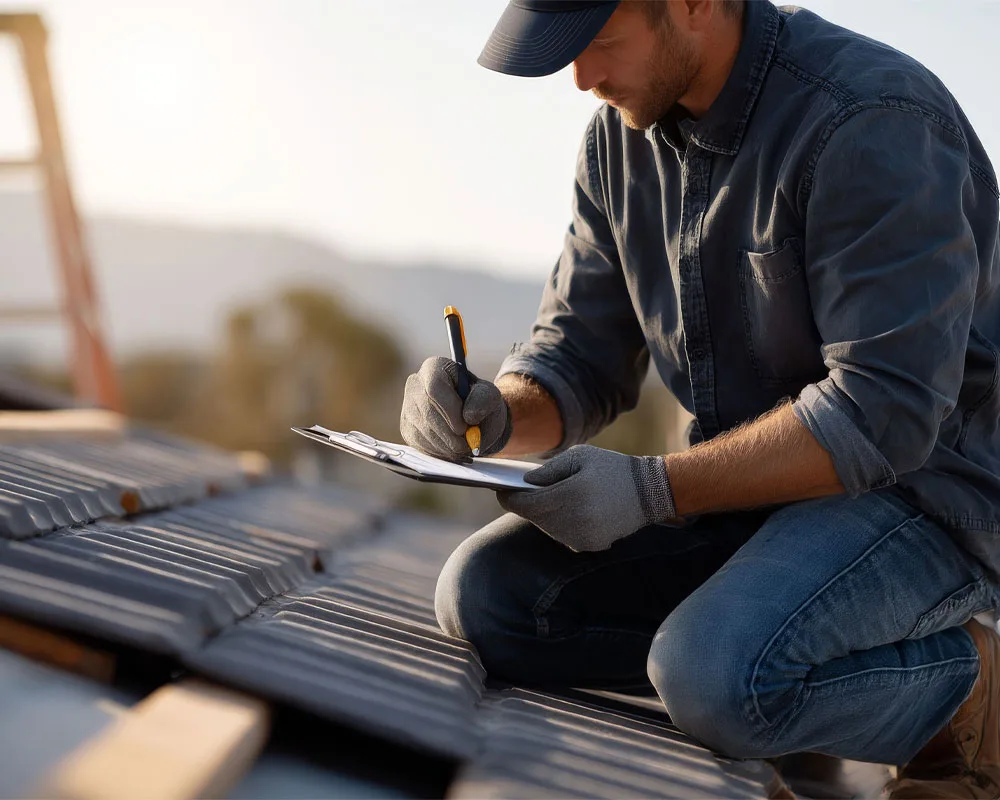
Concrete tile absorbs heat and releases it slowly. Because the tiles are installed on wooden battens, there is a physical air gap between the hot tile and the roof deck. This gap allows air to circulate and ventilates heat away from the attic. This thermal barrier makes a tile roof highly efficient for cooling a desert home. The concrete tile itself will easily last fifty years in the sun. The underlayment beneath it dries out and becomes brittle after twenty to twenty-five years.
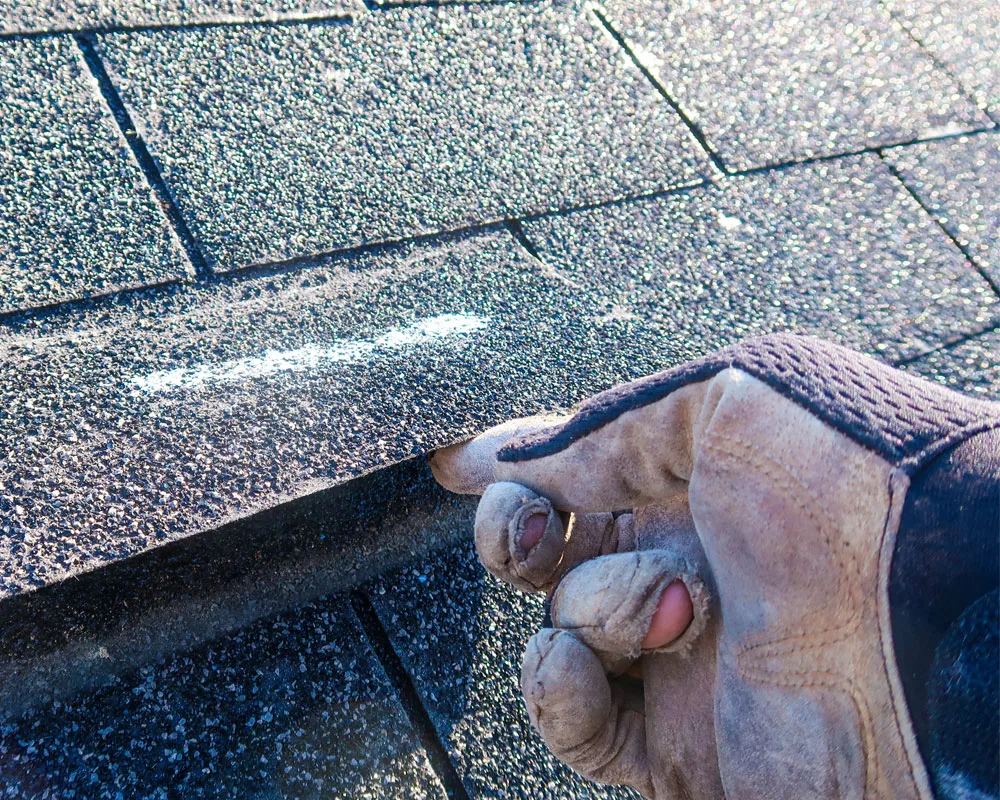
Asphalt shingles lie completely flat against the roof deck. They absorb solar heat and transfer it directly into the wood sheathing and attic space. The constant baking dries out the petroleum oils inside the shingle. Once the oils evaporate, the fiberglass mat turns brittle, the edges curl, and the protective granules fall off into the gutters. A standard asphalt shingle roof in the Phoenix area lasts fifteen to twenty years before the sun destroys it.
Shingle roofs require aggressive attic ventilation to survive in Arizona. If the attic lacks proper intake and exhaust vents, the shingles bake from the top down by the sun and from the bottom up by trapped attic heat. This double exposure will ruin a shingle roof in under ten years and voids most manufacturer warranties.
Structural Limits and Roof Framing
You cannot simply put a tile roof on a house that was built for shingles. The framing dictates your options.
The Weight Difference: Standard asphalt shingles weigh roughly 250 pounds per 100 square feet, which roofers call a square. Standard concrete tile weighs between 900 and 1,200 pounds per square. A tile roof is nearly five times heavier than a shingle roof.
If your home was originally built with shingles, the roof trusses were engineered to carry that lighter load. Installing concrete tile requires hiring a structural engineer, submitting architectural drawings to the city, and reinforcing the roof trusses with additional lumber. This structural retrofitting adds thousands of dollars to the project and extends the timeline by weeks.
Going from a tile roof down to a shingle roof requires no structural upgrades because you are removing weight. However, homeowners replacing tile with shingles must consider HOA rules.
Roof Pitch Requirements: Both materials require a sloped roof. Asphalt shingles need a minimum slope of 2:12 (two inches of vertical rise for every twelve inches of horizontal run). Concrete tile generally requires a slope of 3:12 or 4:12 depending on the exact tile profile and the type of underlayment used.
Installation and Lifetime Ownership Costs
Comparing a tile vs shingle roof requires looking at both the upfront installation price and the long-term maintenance cycle.
Asphalt Shingle Costs: Shingles are the most affordable upfront option among phoenix roofing materials. For a typical 2,000 square foot home in the West Valley, a full shingle replacement runs between $10,000 and $15,000. This price depends on the steepness of the roof, the number of penetrations, and the grade of the shingle. At the twenty-year mark, you must pay for a complete tear-off. All old materials go to the landfill, and you buy a completely new roof at whatever the market price is two decades from now.
Concrete Tile Costs: A brand new concrete tile roof on that same 2,000 square foot home costs between $18,000 and $25,000. The upfront cost is significantly higher. However, the twenty-year maintenance cycle is cheaper.
When a tile roof reaches twenty years of age, you do not throw the tile away. Roofers remove the tile, stack it on the roof, strip off the old underlayment, install new underlayment, and place the original tile back into position. This process is called a remove and replace, or a tile R&R. A tile R&R costs between $12,000 and $18,000. Over a forty-year period, a tile roof often costs less to own than a shingle roof.
Maintenance and Monsoon Resistance
West Valley monsoon storms bring sixty-mile-per-hour wind gusts and driving rain. Both roof types have specific vulnerabilities.
Concrete tile is heavy enough to resist standard high winds. The primary wind risk is uplift on the field tiles. A strong gust can catch the leading edge of a tile, break its fastener, and slide it down the slope. The mortar used to secure ridge and hip tiles also degrades over time and crumbles. The biggest cause of tile damage is actually foot traffic. Painters, solar crews, and satellite installers walk on the roof incorrectly and snap the tiles.
Asphalt shingles rely entirely on a thermal sealant strip to glue the tabs down. Once the Arizona sun dries out that sealant, the tabs break loose. Monsoon winds catch the loose tabs, bend them backward, and snap them off completely. Missing shingles leave the roof deck completely exposed to rain.
Both systems require periodic maintenance. Valleys on a tile roof fill with pine needles, palm debris, and dust. This debris dams the water and forces it sideways under the tile. Shingle roofs require regular inspection of the rubber pipe boots around plumbing vents, as the rubber cracks in the sun long before the shingles fail.
HOA Rules and Insurance Coverage
Homeowners in Sun City, Sun City West, and Peoria must clear roof changes through their architectural review committees. If you live in a neighborhood where every home has concrete tile, the HOA will likely deny a request to switch to asphalt shingles. Even changing the color of your replacement tile requires formal approval.
Insurance carriers also view the two materials differently. Because asphalt shingles degrade quickly in the desert, insurance companies heavily scrutinize shingle roofs older than fifteen years. Many carriers now send letters threatening to drop coverage unless an older shingle roof is replaced. Concrete tile roofs face less immediate pressure from carriers, provided an inspection proves the underlayment is still keeping water out.
Frequently Asked Questions
Can I switch my Phoenix roof from shingles to tile? Only if you hire a structural engineer to approve and modify the framing. Most homes built for shingles need reinforced trusses to safely hold the massive weight increase of concrete tile.
Does a tile roof keep the house cooler than shingles? Yes. The physical air gap between the concrete tile and the roof deck allows trapped heat to escape. Shingles lie flat and transfer solar heat directly into your attic structure.
Are architectural shingles worth the extra cost in Arizona? Yes. Basic three-tab shingles fail rapidly under Phoenix sun and wind. Architectural shingles are thicker, handle monsoon winds much better, and are the minimum standard any reputable roofer will install in this climate.
Schedule Your West Valley Roof Inspection
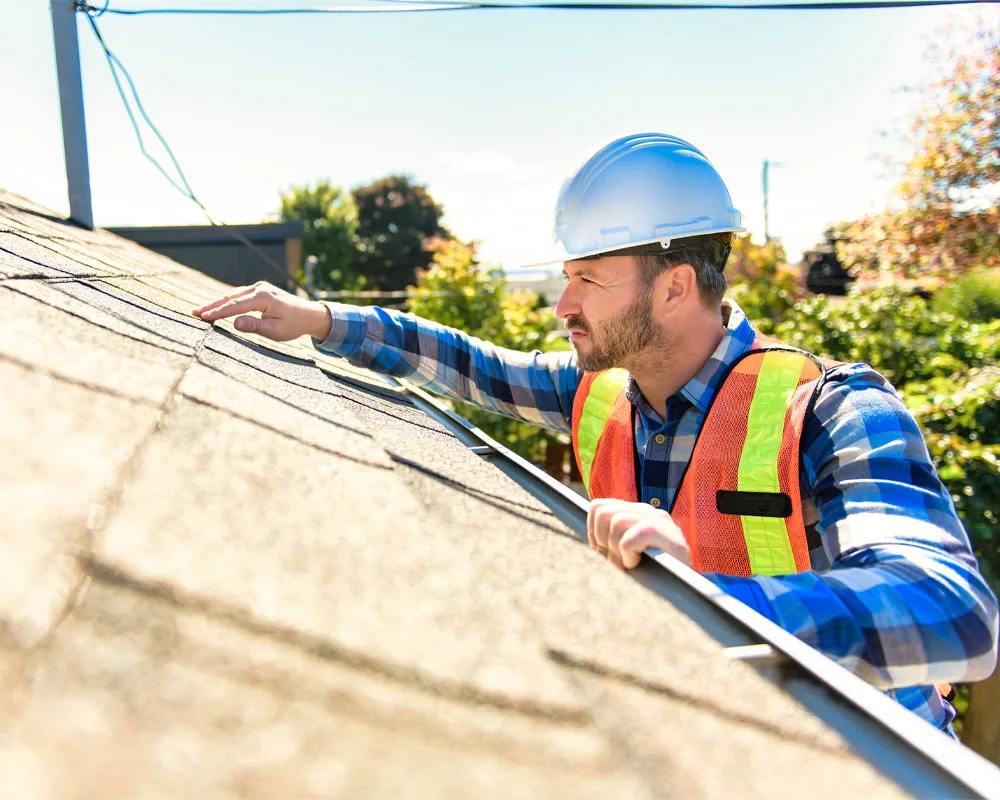
Choosing the right material is only half the job. A roof is only as good as the underlayment, ventilation, and flashing details installed underneath it. If your roof is approaching the twenty-year mark, you need a realistic assessment of its remaining life before the next monsoon season begins. Sun City AZ Roofing provides thorough, honest roof inspections for homeowners in Sun City, Sun City West, Peoria, and Surprise. We will tell you exactly what condition your underlayment or shingles are in, what repairs are actually necessary, and what a replacement will cost. Call our office today or fill out our online contact form to schedule your inspection.