
Summer in the West Valley turns a dark roof into a giant radiator. The sun bakes the tile or shingles, the heat pushes through the decking, and the attic air spikes past 150 degrees. That trapped heat has to go somewhere. It cooks your roofing materials from the inside out and pushes down through your ceiling, forcing your air conditioner to run constantly just to keep the house livable.
This guide explains how roof ventilation in Sun City AZ actually works, why attic ventilation in Arizona requires a different approach than cold climates, how to spot the signs of trapped heat, and what homeowners can do to fix it. We cover the difference between passive and active vents, what intake vents do, and what you can expect to pay to get your attic breathing right.
Why Attic Heat Destroys Arizona Roofs
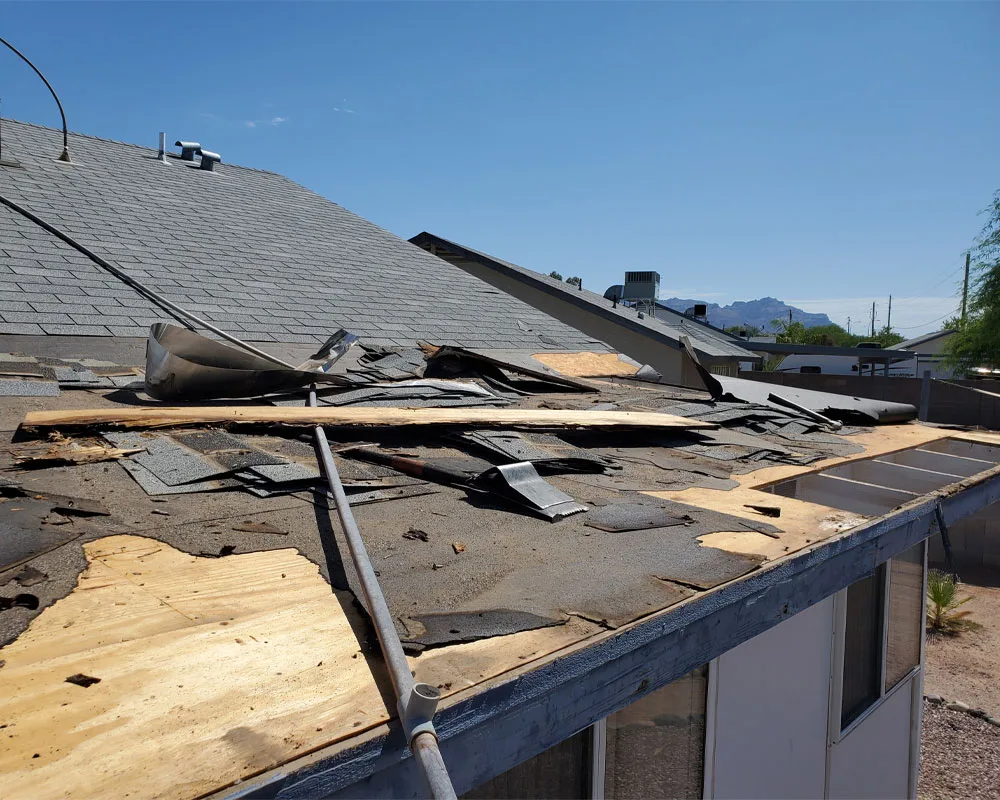
Poor ventilation kills roofs. When attic air reaches extreme temperatures, it accelerates the breakdown of every component above and below the wood decking. The damage happens slowly, but it forces costly repairs long before the materials should naturally age out.
- Cooked underlayment: On a tile roof, the felt underlayment is the actual waterproof layer. Extreme heat bakes the oils out of the felt. The material becomes brittle, cracks, shrinks, and fails years early.
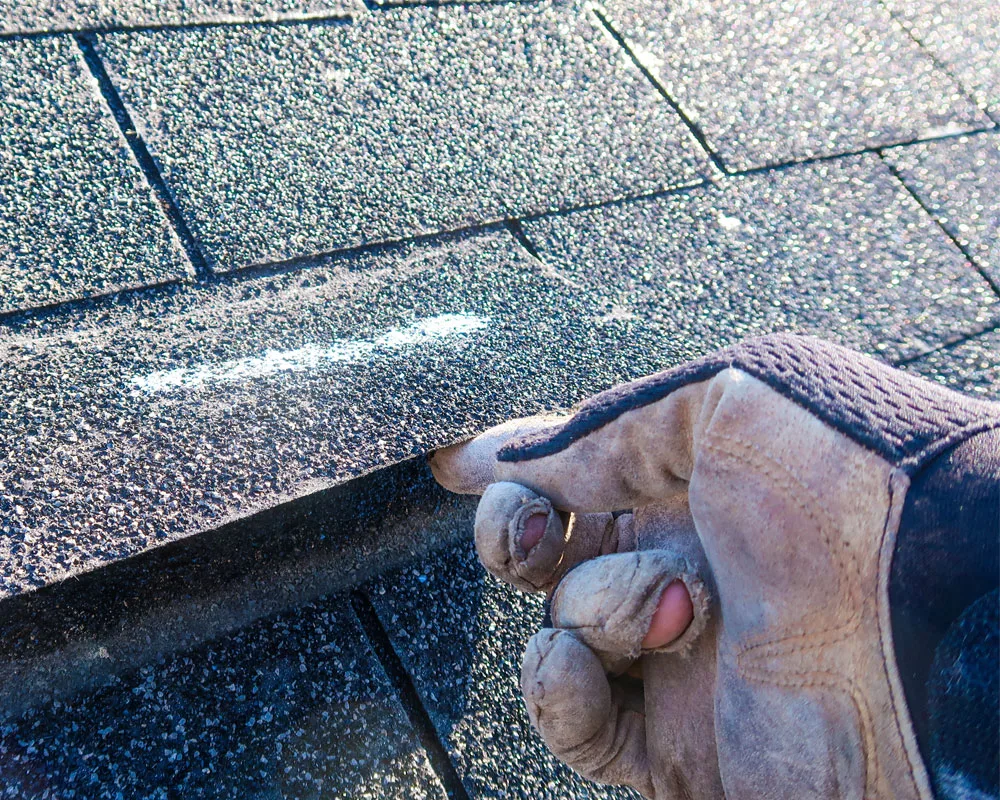
- Fried shingles: Asphalt shingles absorb massive amounts of radiant heat. Without airflow underneath to cool the roof deck, the shingles blister, curl, and lose their protective granules fast.
- Spiking energy bills: Insulation only slows heat transfer. It does not stop it entirely. A superheated attic eventually pushes heat through the drywall ceiling, forcing your HVAC system to work overtime to cool the house.
- Condensation and wood rot: We live in a dry climate, but indoor activities create moisture. Without ventilation, winter air and bathroom exhaust trap moisture in the attic. That moisture settles on the wood framing and causes rot.
The Mechanics Of Roof Ventilation In Sun City AZ
Good ventilation is just basic physics. Hot air rises. A properly vented roof uses that natural principle to create a constant cycle of airflow. This process requires two distinct parts working together.
- Intake ventilation: Located at the lowest point of the roof, typically under the eaves or in the soffits. This allows cooler outside air to enter the attic space.
- Exhaust ventilation: Located at or near the peak of the roof. As the hot attic air rises, it naturally exits through these vents.
- The balance rule: You need equal or slightly more intake than exhaust. If you have too much exhaust and not enough intake, the exhaust vents will pull air from inside your air-conditioned house through the ceiling fixtures.
Types Of Exhaust Vents For Arizona Roofs
Not all vents survive or perform well in the desert. We see specific systems work best for the concrete tile and flat roofs common in Sun City, Sun City West, and Peoria.
- O'Hagin vents: These are low-profile vents designed to blend in with concrete tile. They sit nearly flush with the roofline, resist wind-driven rain during monsoons, and exhaust massive amounts of hot air. They are the standard for modern tile roof ventilation.
- Ridge vents: Installed continuously along the peak of a shingle roof. They provide a steady line of exhaust, making them highly efficient when paired with continuous soffit vents. They are less common on heavy concrete tile roofs.
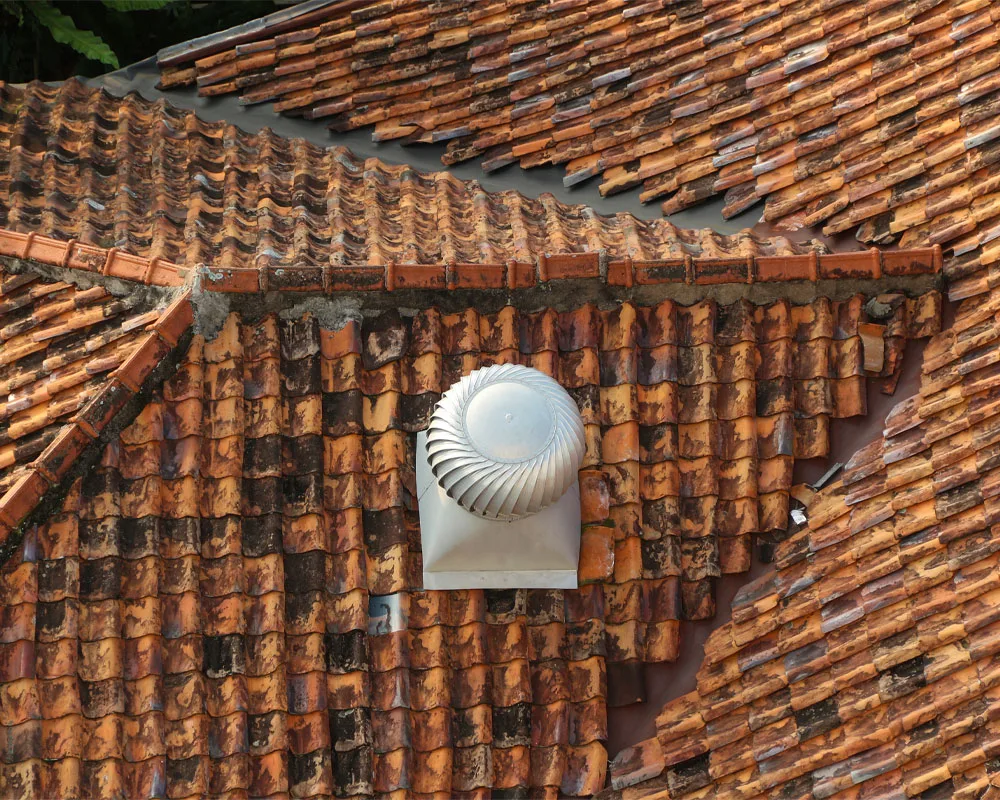
- Wind turbines: These metal units spin with the wind to pull hot air out of the attic. They move a lot of air, but the bearings dry out in the harsh Arizona heat. They will eventually squeak or freeze up entirely.
- Solar powered attic fans: These active vents use a small solar panel to power a fan that forcefully extracts hot air. They are excellent for homes with limited ridge space or complex rooflines, but they cost more upfront and the motors have a limited lifespan.
Intake Vents: The Missing Half Of The Equation
Most homes we inspect for ventilation issues have plenty of exhaust vents but almost no intake. Adding more exhaust vents to a roof without intake is a waste of money.
- Soffit vents: The most common intake method. These sit directly under the exterior eaves. Many older Sun City homes have painted-over soffit vents or insulation blocking them from the inside, which stops airflow completely.
- Gable vents: Located on the exterior walls just under the roof peak. They can act as intake or exhaust depending on wind direction, which often disrupts the intended flow of air from soffit to ridge.
- Clearing the path: If you add blown insulation to your attic, you must install baffles. Baffles are plastic channels that keep the insulation from spilling over the soffit vents and blocking the intake air.
Insulation Versus Ventilation: Getting The Priorities Right
Many homeowners think adding more blown-in insulation is the ultimate fix for a hot house. Insulation is critical, but it only delays heat transfer. If the attic remains at 150 degrees, the thickest insulation will eventually soak through and radiate heat into your living room.
Worse, inexperienced insulation contractors often blow fiberglass or cellulose right over the soffit vents. This instantly kills the roof ventilation. The attic gets hotter, the roof decking bakes, and the new insulation fails to deliver the promised energy savings. You have to fix the airflow first, secure the baffles, and then insulate.
Signs Your Attic Ventilation Is Failing
You do not need to climb into a dangerously hot attic to know you have an airflow problem. The house will give you clear warning signs.
- Rooms that will not cool: If your master bedroom stays five degrees hotter than the rest of the house despite the AC running, trapped attic heat above that room is the likely culprit.
- Curling shingles: If you have an asphalt shingle roof and the edges are curling upward well before the roof is old, the deck is too hot.
- High AC bills: A sudden spike in summer cooling costs often points to a ventilation failure, especially if you recently had your roof or insulation replaced and the intake vents were blocked.
- Wavy roof decking: Extreme heat and trapped moisture cause plywood roof sheathing to warp. You will see a wavy or sagging appearance from the street.
What Adding Roof Vents Costs
The price of improving the roof ventilation Phoenix AZ and Sun City homes need depends entirely on the roof type and what parts of the system are missing. A complete system overhaul costs more than unblocking a few painted soffits.
- O'Hagin tile vents: Replacing standard vents with low-profile O'Hagin vents usually runs $150 to $250 per vent installed. Most homes require six to twelve vents depending on the square footage.
- Solar powered attic fans: Installing an active solar fan typically costs $600 to $900 per unit. This includes the hardware, labor, and properly sealing the new roof penetration.
- Soffit intake vents: Adding or unblocking eaves vents ranges from $300 to $800. This price is mostly driven by the labor required to access tight spaces, cut new openings, and install protective baffles.
Always ask a roofer to assess your ventilation during a full roof replacement. Adding or upgrading vents while the decking is bare costs a fraction of the price of retrofitting them later.
Get A Ventilation Assessment Today
Stop paying to cool a house that your roof is actively heating. If your AC is struggling, your shingles are curling, or you just want to know if your attic is breathing properly, we can give you a straight answer. Sun City AZ Roofing inspects ventilation systems across the West Valley to find the missing airflow. Call us today to schedule a roof ventilation inspection and get your attic temperatures under control before the worst of the summer heat hits.