
Almost nobody thinks about roof scheduling until they have an active leak. By that time, your options are limited to whatever crew is available tomorrow. If you are planning ahead, the Arizona climate forces you to think about weather in ways homeowners in other states never do. Extreme heat melts materials and exhausts crews. Monsoon storms open bare roof decks to sudden water damage. When researching the best time of year to replace roof arizona homeowners quickly realize that the calendar dictates everything.
This guide breaks down exactly how the Phoenix weather calendar affects roofing work. You will learn what actually happens when replacing a roof in summer, the exact risks of roof replacement during monsoon season, and how roof replacement scheduling phoenix contractors use actually works behind the scenes.
The Best Time of Year to Replace a Roof in Arizona
The ideal window for replacing a roof in the West Valley is between late October and early May. During these months, daily high temperatures hover between 65 and 85 degrees. The threat of sudden monsoon rain is gone. Crews can safely work from sunrise to sunset without heat exhaustion slowing down the project.
This weather is perfect for the building materials. Asphalt shingles lay flat and do not scar under the weight of a roofer's boots. Foam roof coatings cure at the right speed. Concrete tile underlayment goes down smoothly without stretching or wrinkling in the sun.
The primary trade-off for perfect weather is high demand. Every homeowner who noticed a leak during the summer monsoons wants their roof fixed in October. Winter visitors return to Sun City and Sun City West in November and decide it is time to handle deferred maintenance. Because of this demand, expect longer wait times. If you want your roof replaced in November, you need to sign a contract and order materials in September.
Roof Replacement Scheduling Phoenix: The Winter Window
December, January, and February offer excellent conditions for roofing in the West Valley. The weather is cool, rain is infrequent, and crews can work full eight-hour days without heat stress. For roof replacement scheduling phoenix contractors generally find winter to be highly efficient.
The only major consideration in winter is asphalt shingle sealing. Modern architectural shingles have a strip of factory-applied adhesive on the back. This adhesive requires the heat of the sun to activate and bond the shingles together. We call this thermal sealing. In the middle of summer, a shingle seals in a few hours. In January, it takes days or even weeks of direct sunlight to achieve a full seal. Until that seal forms, the shingles are slightly more vulnerable to high wind events.
For concrete tile and flat foam roofs, winter is nearly perfect. Tile underlayment installs easily in cool weather. Foam contractors appreciate the low humidity and stable temperatures. The only minor delay happens on cold mornings, as foam crews cannot spray if morning dew is still sitting on the roof deck.
Replacing a Roof in Summer: What You Need to Know
Summer roofing in the Phoenix metro area requires entirely different logistics. June brings dry heat that regularly tops 110 degrees, and July adds crushing humidity. Replacing a roof in summer is common, but the process changes drastically compared to a spring installation.
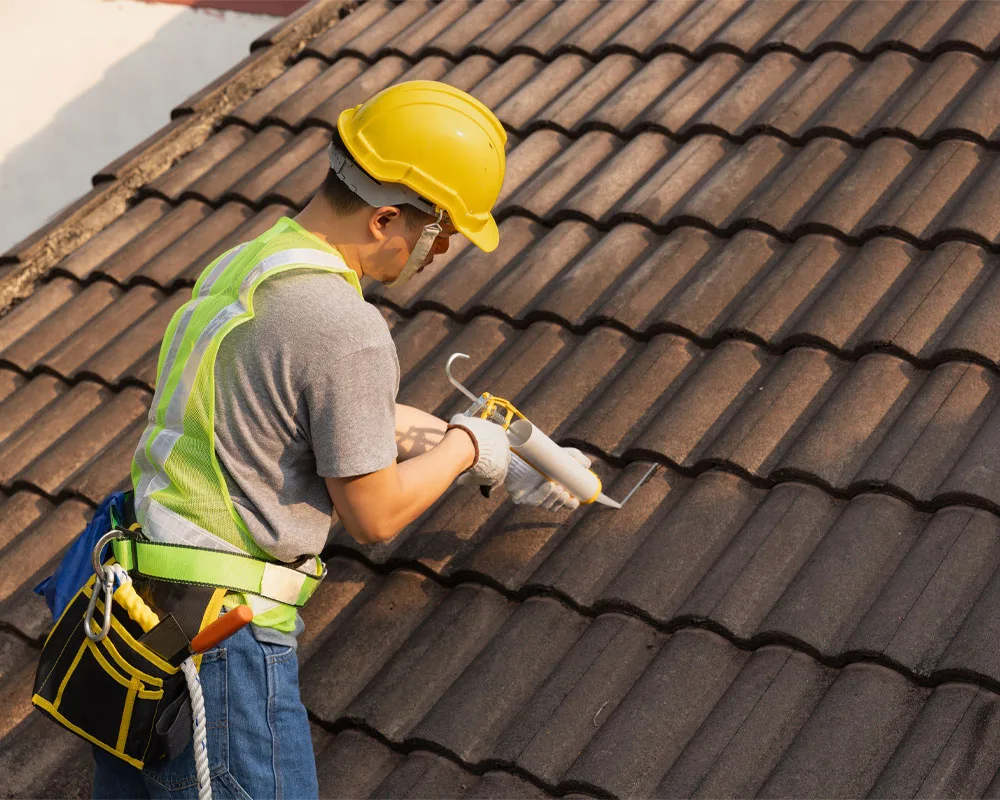
The biggest shift is the daily schedule. Roofing crews cannot safely work on a dark, heat-absorbing roof surface in the middle of a July afternoon. Surface temperatures on an asphalt shingle roof easily exceed 160 degrees. To handle this, crews start arriving at 4:30 or 5:00 in the morning. They tear off the old roof at first light and stop working by 11:00 or noon. Because the workday is cut in half, a job that takes two days in December takes four days in July.
Materials also behave differently in extreme heat.
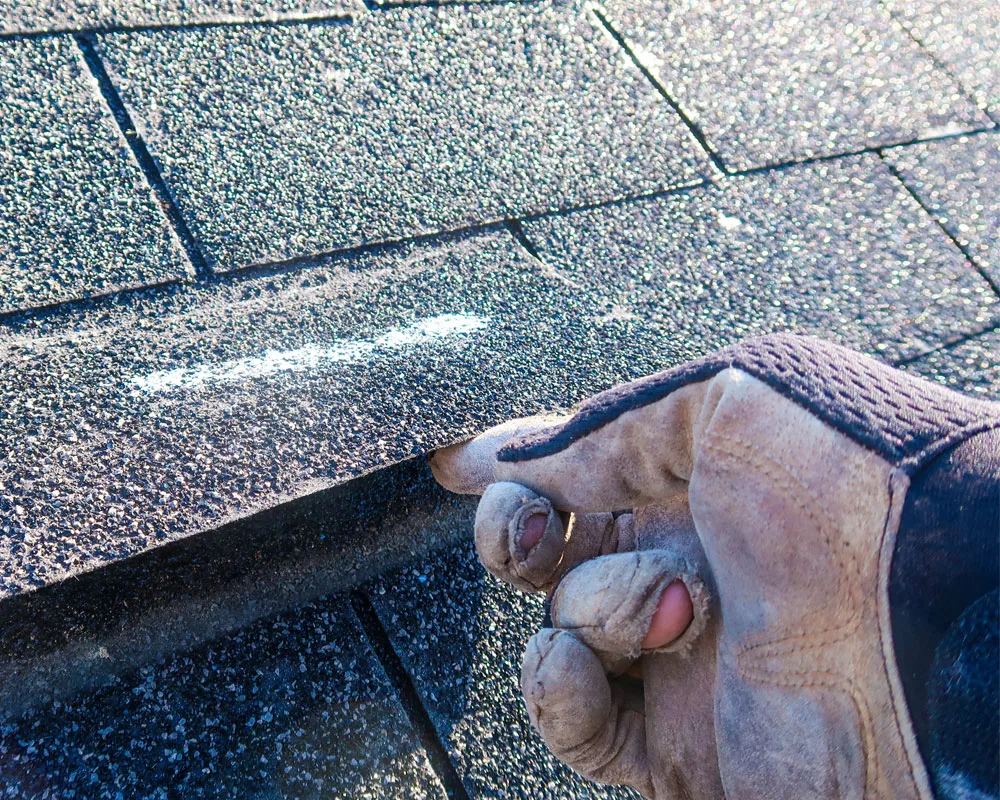
- Asphalt Shingles: Hot shingles get soft. If a roofer steps on a hot shingle, the granules grind into the asphalt and leave permanent boot scars. Crews must work carefully and stop earlier in the day when installing asphalt compared to tile.
- Polyurethane Foam: Foam roofing expands and cures based on ambient temperature and surface heat. A skilled foam crew knows how to adjust their mixture for the heat, but spraying in direct afternoon sun is highly risky.
- Concrete Tile: The concrete itself ignores the heat. However, the heavy lifting exhausts crews faster. The synthetic underlayment that waterproofs a tile roof can also become uncomfortably hot to handle and stretch if left exposed too long.
Homeowners choose summer replacement when they have no other choice. If an inspection reveals a failing underlayment right before a home sale closes, you cannot wait for November. Contractors usually have shorter wait times in the summer, meaning you can often get a crew on your property within a week or two of signing a contract.
Roof Replacement During Monsoon Season
From early July through late September, the West Valley experiences the monsoon. This weather pattern brings localized, intense thunderstorms. A day that starts clear can end with a dust wall and an inch of rain in thirty minutes. Roof replacement during monsoon season requires strict planning and site management.
The absolute rule of monsoon roofing is simple: never tear off more roof than you can make watertight by noon.
During the dry season, a contractor might tear off the entire roof on day one, leave the bare wood decking exposed overnight, and install the new materials on day two. Doing that in August guarantees a massive interior water damage claim.
Professional crews work in small sections. They tear off a section of the old roof, inspect and repair the wood decking, and immediately install the waterproof underlayment. We call this getting the roof dried in. Once the underlayment is securely nailed or adhered, the house is safe from a sudden downpour. The actual top layer of tile or shingles can then be installed over the secured underlayment over the next few days.
Wind is another major monsoon hazard. Sudden microbursts pick up loose materials and turn them into projectiles. A responsible crew cleans the site completely at the end of every shift. They strap down extra foam boards, secure loose underlayment rolls, and ensure the dumpster is covered.
How Sun City HOA Rules Affect Your Timeline
If you live in Sun City, Sun City West, or a governed community in Peoria, you have an extra layer of scheduling to consider. The Homeowners Association dictates what materials and colors you can use on your roof.
You cannot sign a contract on Monday and start work on Wednesday. The architectural review committee requires a formal submission detailing the exact manufacturer, product line, and color of the new roof. If you are switching from a discontinued concrete tile to a modern profile, the board has to approve the change to ensure it fits the neighborhood aesthetic.
This approval process takes anywhere from two to four weeks. If you are trying to beat the monsoon season, you must factor this dead time into your schedule. Order your material samples early, submit the paperwork immediately after signing your roofing contract, and follow up with the committee closely.
Steps to Plan Your Roof Replacement
A successful roof replacement requires planning backward from your ideal installation date. Emergency repairs happen overnight, but a full planned replacement takes careful staging.
Follow this timeline to keep the project on track:
- 60 Days Out: Contact two or three reputable, licensed contractors for inspections and bids. Review the scopes of work to ensure they are comparing the exact same materials and underlayment thickness.
- 45 Days Out: Sign the contract and pay the initial deposit. This locks in your spot on the production schedule and allows the contractor to order materials.
- 30 Days Out: Submit the necessary paperwork to your Homeowners Association. Do not skip this step or guess on colors. The contractor pulls the required city or county permits at this time.
- 1 Week Out: Materials are delivered to your property and loaded onto the roof. Clear your driveway, move your vehicles, and take down any fragile patio decorations that could be damaged by falling debris.
Book Your Roof Inspection Today
The longer you wait to schedule a roof evaluation, the fewer choices you have when a storm hits. Planning your replacement on your own timeline gives you control over the weather, the materials, and the final cost. Contact Sun City AZ Roofing today to schedule a comprehensive roof inspection. We will give you an honest assessment of your current roof condition and build a realistic schedule to keep your home protected.